
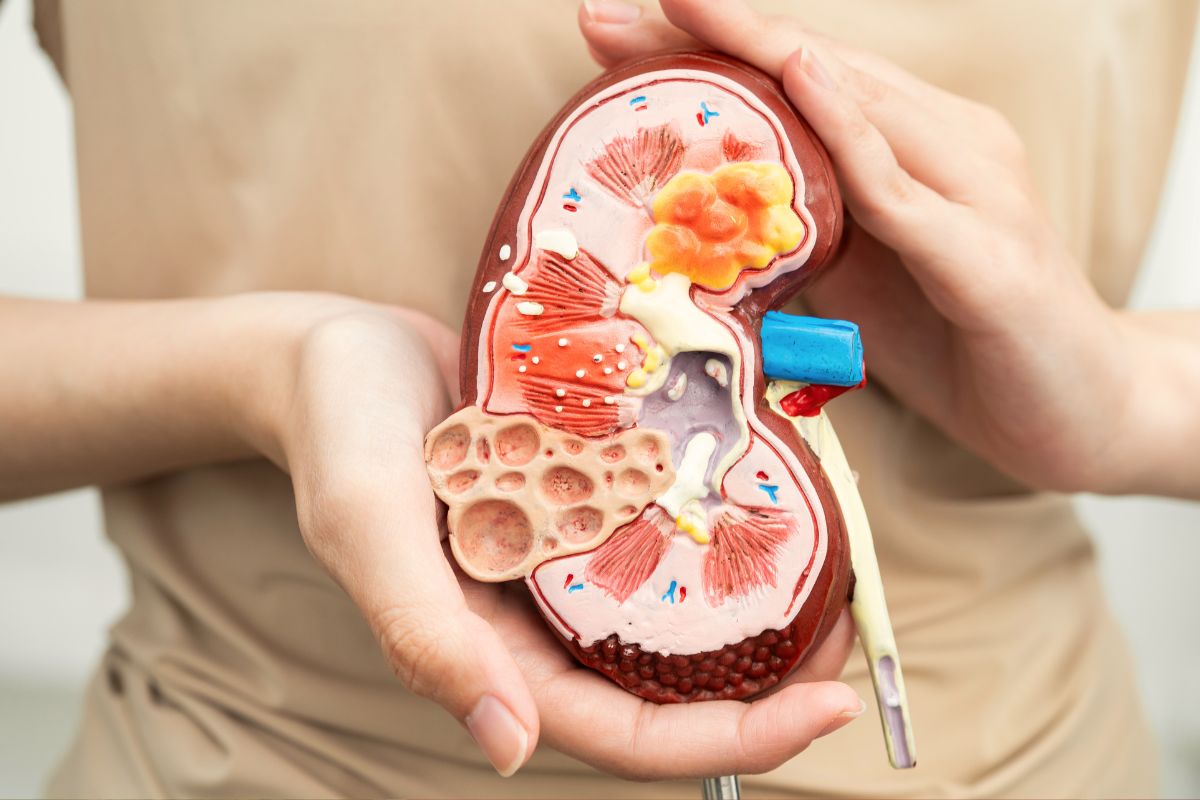
The kidneys are vital organs that filter toxins, urea, and excess fluid from the blood. They also help regulate blood pressure, maintain the body’s fluid, salt, and acid–base balance and acid–base balance, and support hormone production, including renin and erythropoietin. In addition, the kidneys play a role in activating vitamin D.
Kidney function can often be supported without medication through a balanced diet, regular physical activity, and healthier everyday habits. Research suggests that lifestyle-based approaches may help lower the risk of chronic conditions and support normal kidney function.
Doctors recommend the following steps:
Watch your salt and protein intake. Reducing salt helps lower blood pressure and decreases strain on the kidneys. It may also be useful to limit red meat and some dairy products, which can be high in phosphorus and may be harder on the kidneys when consumed in excess.
Adjust your diet. Foods rich in antioxidants—such as blueberries, cranberries, and grapes—can help protect cells from damage. Leafy greens like kale or arugula provide vitamins without excessive potassium. Olive oil and flaxseed add healthier fats that may help reduce inflammation.
Drink enough clean water. Adequate hydration helps the kidneys remove waste efficiently. It is best to limit sugary carbonated drinks and alcohol, which can add extra strain to the body.
Choose moderate-intensity physical activity. Regular movement supports healthier blood pressure and blood sugar levels. Options such as walking, yoga, and swimming can improve overall health without overloading the body.
Lose excess weight and monitor blood pressure. Being overweight increases the risk of diabetes and hypertension, both of which can damage the kidneys over time. Checking blood pressure regularly helps you respond early to changes and reduce the risk of complications.
Avoid harmful habits. Smoking damages blood vessels and can reduce blood flow to the kidneys. Heavy alcohol use can also increase toxic stress on the body and negatively affect kidney function.
