
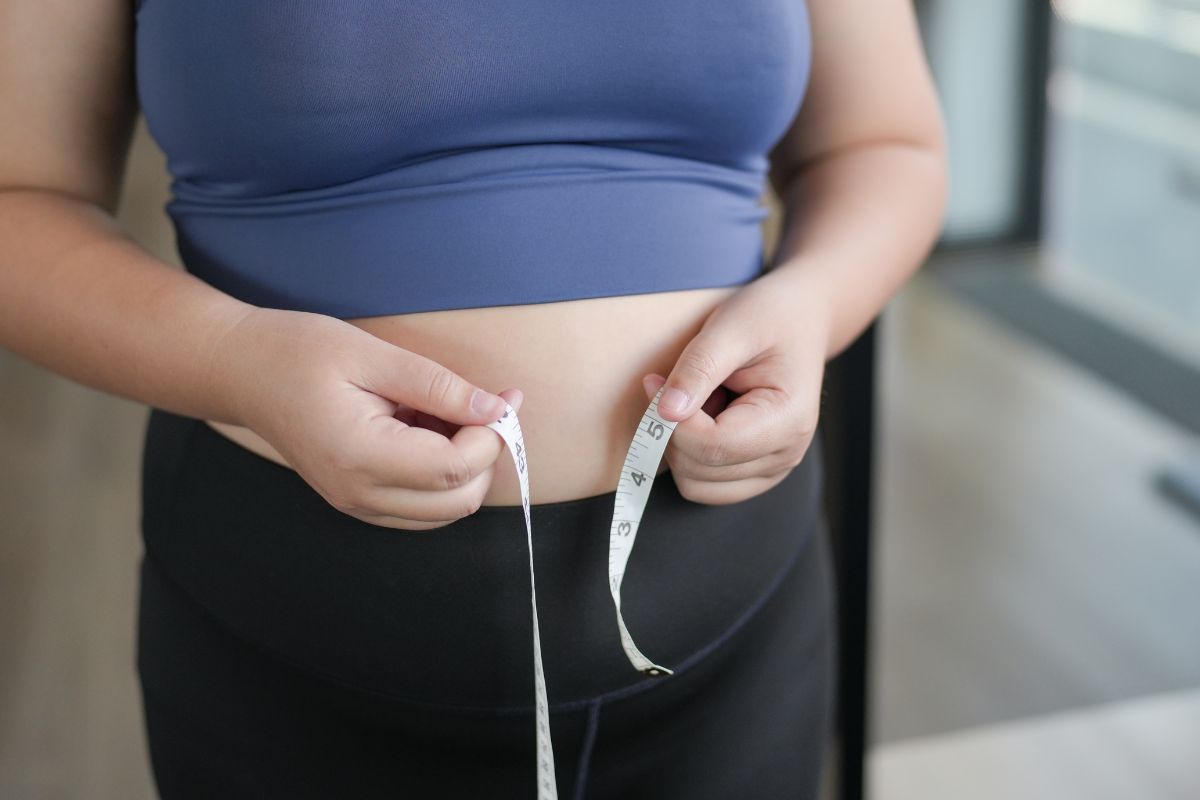
New findings presented at this year’s European Congress on Obesity (ECO) in Istanbul (May 12–15) point to clear differences in how obesity affects men and women. The research suggests that risks linked to heart health, metabolism, and inflammation do not develop in the same way across sexes—an insight that could support more personalised approaches to treatment.
Researchers from Dokuz Eylul University in Turkey reported that men with obesity were more likely to carry abdominal (visceral) fat, a type of fat stored around internal organs that is strongly associated with serious cardiovascular and metabolic disease. Men also showed higher levels of certain liver enzymes, which can indicate stress or damage in the liver.
Women with obesity, by contrast, were more likely to show signs of widespread inflammation and higher cholesterol levels. Both patterns are associated with a greater risk of heart disease and type 2 diabetes.
Lead author Dr Zeynep Pekel said the results highlight why sex-specific research matters. According to Pekel, these differences may help guide the development of targeted, sex-based approaches for managing obesity.
A Global Health Challenge With Complex Risks
Metabolic syndrome—defined by a cluster of risk factors such as abdominal obesity, high cholesterol, high blood pressure, and elevated fasting blood glucose—has become increasingly common worldwide. It significantly raises the likelihood of cardiovascular disease and type 2 diabetes.
Obesity itself is a complex chronic disease, involving shifts in metabolism and inflammation that can vary widely between individuals. Biological sex influences where fat is stored, how the liver processes nutrients, and how the immune system responds, yet direct comparisons between men and women have remained limited.
How The Study Was Conducted
To explore these differences, the team analysed data from patients treated at the Obesity Clinic within the Department of Internal Medicine at Dokuz Eylul University Faculty of Medicine between 2024 and 2025. The analysis included 886 women (average age 45) and 248 men (average age 41).
Participants underwent measurements such as height, weight, body mass index (BMI), waist circumference, and blood pressure. Blood tests assessed cardiovascular and metabolic risk, including total cholesterol, LDL (“bad”) cholesterol, HDL (“good”) cholesterol, triglycerides, and fasting blood glucose.
The researchers also examined markers linked to liver function (ALT and GGT), kidney function (creatinine), and inflammation. Inflammatory indicators included C-reactive protein, erythrocyte sedimentation rate, white blood cell count, and platelet count.
Key Differences In Fat Distribution And Biomarkers
Men had a slightly higher average BMI than women (37.5 vs 36 kg/m²), but their waist circumference was notably larger (120 vs 108 cm). Men also had higher systolic blood pressure (128 vs 122 mmHg), both of which are associated with increased cardiovascular and diabetes risk.
In addition, men showed significantly higher levels of liver enzymes (ALT and GGT), triglycerides, and creatinine—findings that may point to a greater likelihood of liver-related and metabolic complications.
Women, meanwhile, had higher total cholesterol (215 vs 203 mg/dL) and higher LDL cholesterol (130 vs 123 mg/dL). They also had higher inflammatory markers, including erythrocyte sedimentation rate, C-reactive protein, and platelet counts, suggesting a stronger inflammatory profile.
Why Men And Women May Respond Differently
The researchers suggest the differences are likely influenced by hormones, immune activity, and fat distribution. Hormones—particularly oestrogen—can affect where fat is stored and how inflammation is regulated. Women tend to store more fat under the skin and often show higher levels of inflammation-related markers such as C-reactive protein and erythrocyte sedimentation rate.
Women also typically have a more active immune response, which may be partly shaped by genetic factors including the X chromosome. Men are more likely to store fat around internal organs, and this visceral fat is strongly linked to metabolic disorders and more severe complications.
Pekel noted that the findings need to be confirmed in other groups, but said they offer useful direction for understanding sex-based risk patterns in obesity. The next steps include validating the results in larger populations, clarifying the biological mechanisms involved, and assessing how these patterns translate into real-world clinical outcomes.
Limitations And Next Steps
The authors emphasised that the study was cross-sectional, meaning it cannot prove cause and effect and could be influenced by other factors. Most participants were Turkish adults, so the results may not fully apply to other populations. More diverse and larger studies will be needed to confirm and expand on these findings.
The research was presented as an abstract at ECO and has not yet been published as a full paper.
