
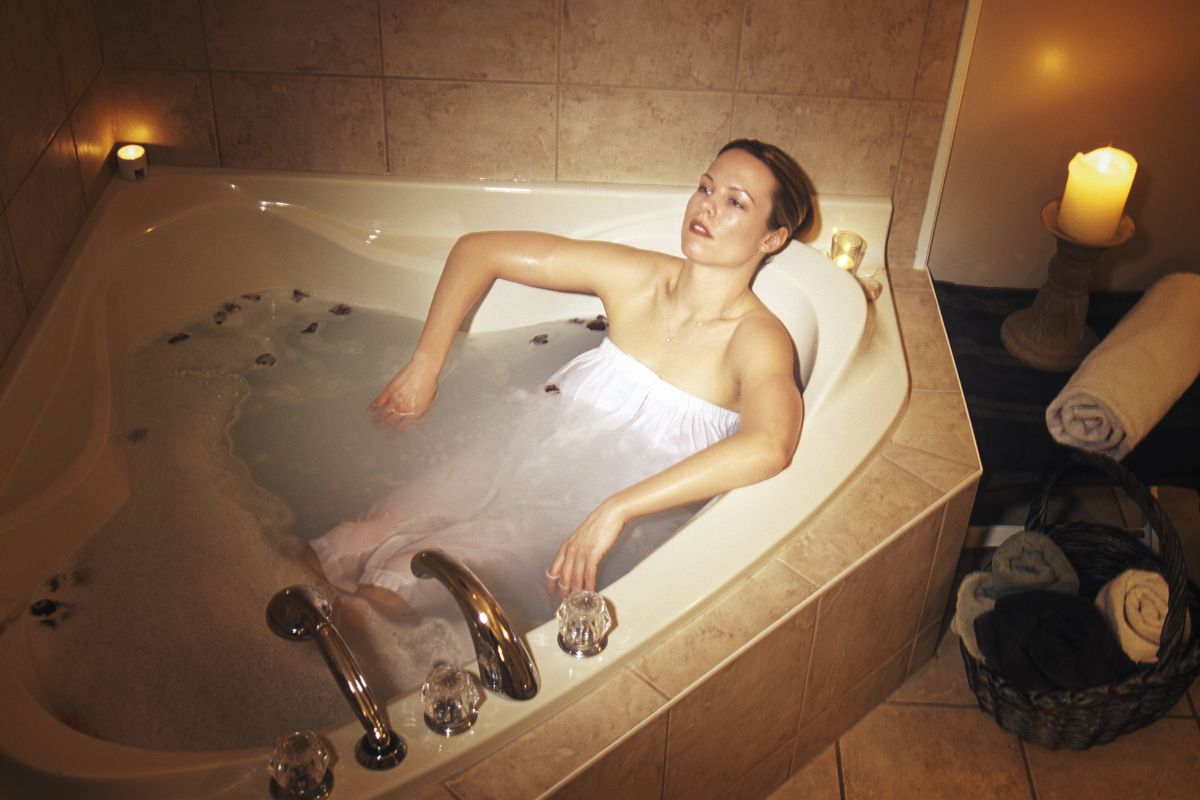
Spending 30 minutes in a hot bath may produce a greater short-term reduction in blood pressure than cycling on a stationary bike for the same amount of time, according to new research from Australia. The findings highlight the potential cardiovascular benefits of passive heat therapy, particularly for people who find conventional exercise difficult.
However, researchers emphasize that hot baths should not be considered a replacement for regular physical activity. Exercise remains essential for cardiovascular health, maintaining healthy blood vessels and improving overall fitness. For some people, though, age, physical limitations or chronic health conditions can make traditional workouts challenging or even unsafe.
Why passive heat therapy matters
Global health statistics indicate that approximately 31 percent of adults do not meet recommended physical activity guidelines. Factors such as older age, obesity, joint injuries and chronic illnesses can make regular exercise difficult. These challenges have encouraged scientists to investigate alternative approaches that may support cardiovascular health without requiring strenuous physical activity.
Researchers from the University of Western Australia, led by physiologist Kristanti Wigati, investigated the effects of passive heat therapy on the cardiovascular system. Exposure to hot water, like physical exercise, increases blood flow and creates shear stress along blood vessel walls. This mechanical stimulus may help promote beneficial changes in vascular function.
How the experiment was conducted
The research team recruited 25 adults aged between 45 and 70 who were living with overweight or obesity. The participants had an average age of 59 years and completed two separate experimental sessions, scheduled at least 72 hours apart to minimize any overlapping effects.
During one session, participants remained immersed up to their chests in water heated to 40°C for exactly 30 minutes. During the other, they exercised on a stationary bicycle for 30 minutes at moderate intensity, aiming to maintain 60–70 percent of their maximum heart rate.
This design allowed the researchers to compare the immediate cardiovascular responses to passive heating and moderate-intensity cycling under controlled conditions.
What happened inside the blood vessels
Throughout both sessions, the researchers continuously monitored heart rate, mean arterial pressure and core body temperature. They also used advanced non-invasive imaging techniques to examine small blood vessels in the skin of the forearm in real time.
Compared with cycling, hot-water immersion produced substantially greater dilation of blood vessels, accompanied by larger increases in blood flow and blood flow velocity. The number of actively perfused microvessels also increased more markedly, indicating a stronger response in the skin’s microcirculation.
The more pronounced vascular response during hot-water immersion was accompanied by a greater increase in core body temperature and larger reductions in both systolic and diastolic blood pressure. By comparison, cycling produced a greater increase in heart rate but smaller changes in blood pressure.
According to the researchers, the stronger cardiovascular response to hot-water immersion reflects a combination of direct skin heating and increased thermal stress throughout the body. To release excess heat and regulate internal temperature, blood vessels widen, increasing circulation and altering blood pressure.
Can a bathtub replace the gym?
Despite the findings, researchers caution against interpreting hot baths as a superior alternative to exercise. Although both experimental sessions lasted 30 minutes, they did not produce equivalent levels of thermal stress. The hot bath increased body temperature more substantially than moderate-intensity cycling, which may help explain the stronger immediate vascular and blood pressure responses.
Hot-water immersion also does not provide the same muscular and metabolic benefits as physical activity. It does not build strength, improve muscular endurance or expend as much energy as exercise. Nor can it fully reproduce the improvements in aerobic fitness, bone health and metabolic function associated with regular movement.
Nevertheless, the findings suggest that passive heat therapy may have a useful supportive role for people who cannot comfortably participate in conventional exercise because of mobility limitations, age-related conditions or chronic illness.
Previous research into thermal therapies, including saunas and hot baths, has also identified associations with improved vascular function and cardiovascular health. The new study adds evidence that controlled exposure to heat can produce meaningful short-term physiological responses, although these should not be confused with proven long-term reductions in cardiovascular disease risk.
The researchers emphasize that individuals with heart disease, uncontrolled hypertension or other serious medical conditions should consult a healthcare professional before using hot baths as a health intervention. Hot-water immersion can place additional demands on the cardiovascular system, and its safety may depend on individual circumstances.
Further studies involving larger and more diverse populations, as well as longer follow-up periods, are needed to determine whether repeated hot-water immersion produces lasting cardiovascular benefits. Researchers must also establish appropriate temperatures, session durations and frequency, particularly for people with existing health problems.
For generally healthy adults, an occasional hot bath may offer more than relaxation after a demanding day. Although it cannot replace the benefits of cycling, walking or other forms of exercise, the findings suggest that controlled exposure to warm water may provide an additional way to support vascular function.
