
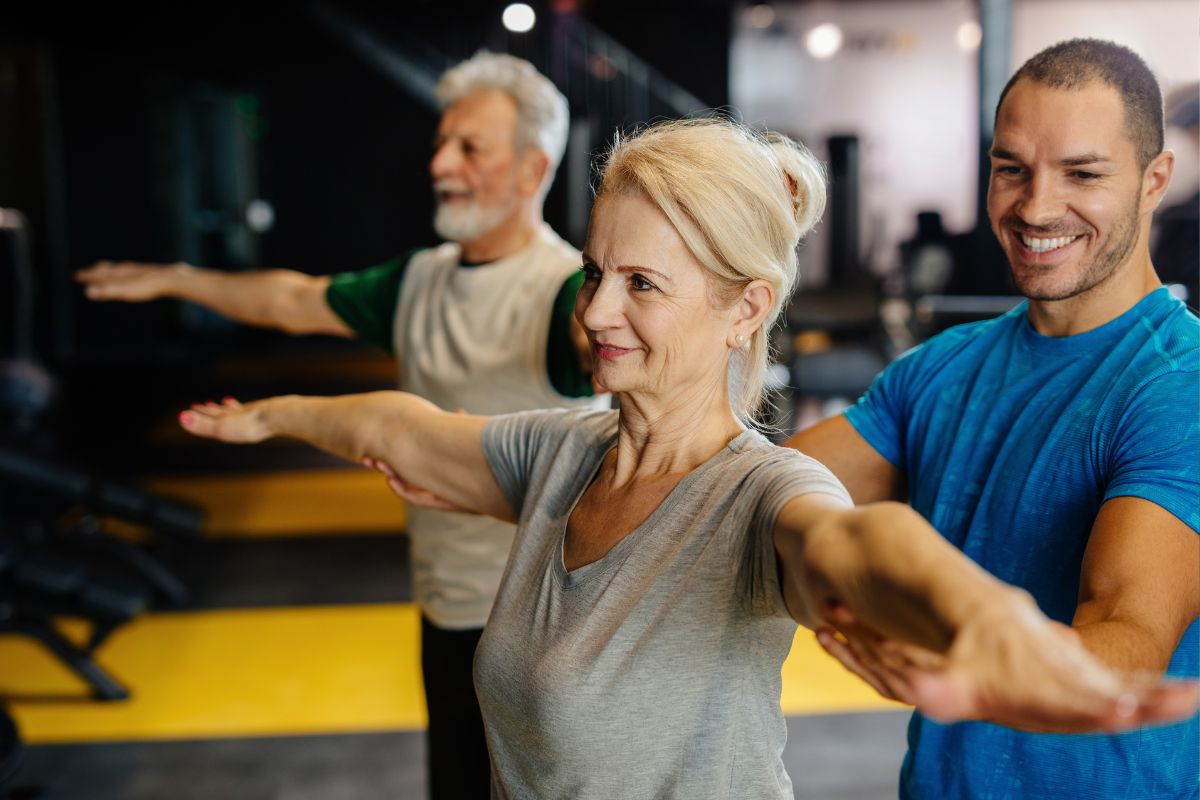
Only one type of workout in a recent study helped older adults lose body fat while preserving valuable muscle mass. Researchers say this difference could be crucial for maintaining strength and independence later in life.
The trial, published in Maturitas, compared three exercise approaches over six months. Although all produced modest fat loss, only high-intensity interval training (HIIT) preserved lean tissue.
HIIT involves alternating short bursts of intense exercise with easier recovery periods. In this study, it performed better than both moderate- and low-intensity continuous exercise at protecting lean mass while reducing body fat.
Inside the Australian exercise trial
Researchers from the University of the Sunshine Coast recruited 123 healthy adults from the Greater Brisbane area. Participants were approximately 72 years old on average, with a typical body mass index of around 26 kg/m².
Each participant attended three supervised 45-minute gym sessions per week for six months. They were randomly assigned to high-intensity interval training, steady moderate-intensity exercise or a low-intensity control-style program.
Body composition was assessed at the beginning of the study, after three months and again at six months using whole-body scans. This method allowed researchers to estimate fat mass and lean tissue throughout the body rather than relying solely on weight.
Both high- and moderate-intensity exercise produced meaningful reductions in fat mass compared with the low-intensity group. However, moderate-intensity training was also associated with a small decline in lean mass, while HIIT did not show the same reduction.
Lead author Dr. Grace Rose, an exercise physiologist, said the findings highlight why changes in body composition matter more than the number on the scale. Losing muscle alongside fat could compromise strength, mobility and long-term health.
Why preserving muscle matters with age
Lean mass includes muscle, other tissues and body water. Although it does not directly measure strength, declining lean tissue often accompanies a gradual reduction in muscle quantity.
As people grow older, muscle mass and strength naturally decline, potentially leading to sarcopenia. This condition is associated with frailty, slower walking speed, increased fall risk and reduced independence.
HIIT’s apparent advantage may be related to the demands it places on both the cardiovascular system and muscles. Intense exercise intervals signal the body to maintain or strengthen the tissues needed to perform challenging physical activity.
Study co-author and Associate Professor of Physiology Mia Schaumberg explained that the HIIT sessions consisted of repeated short bursts of very demanding exercise. During these intervals, participants breathed heavily and found it difficult to maintain a conversation.
Moderate- and low-intensity workouts, by comparison, maintain a more comfortable and sustainable pace. Although they still burn calories and support cardiovascular health, they may provide a weaker stimulus for preserving muscle during fat loss.
Impact on abdominal and visceral fat
The study found that both high- and moderate-intensity programs improved fat distribution around the waist. These changes included reductions in visceral adipose tissue, the fat stored deep within the abdomen.
Visceral fat surrounds internal organs, including the liver and intestines, and is strongly associated with insulin resistance and cardiovascular disease. Reducing this fat may help lower the risk of type 2 diabetes, heart disease and other metabolic disorders.
Researchers emphasized that the improvements in body composition were measurable but modest over the six-month period. Uncertainties associated with the scanning method also made it difficult to determine how clinically meaningful the differences were compared with low-intensity exercise.
Nevertheless, the findings suggest that exercise intensity may influence not only the amount of fat lost but also its distribution and the body’s ability to preserve lean tissue. These differences could become increasingly important over many years of aging.
New evidence on HIIT at home
More recent research has explored whether older adults can safely perform HIIT outside conventional gym settings. A 2026 study published in Medicine & Science in Sports & Exercise examined a remotely supervised home-based program.
The trial involved 20 adults aged 61 to 74 who exercised using a specialized machine that allowed arm and leg movements without requiring them to support their full body weight. Sessions were supervised through telehealth, reducing the need for in-person appointments.
After eight weeks, participants had lost approximately 1.4 kilograms of fat and significantly improved their aerobic capacity. Adherence was high, with 96 percent of scheduled workouts completed and no exercise-related adverse events reported.
These findings suggest that HIIT can be adapted for people who prefer or need to exercise at home, provided appropriate equipment and supervision are available. However, the small sample means larger studies are necessary to establish its safety and long-term benefits.
How HIIT compares with other training
Not all studies have found HIIT to be clearly superior to moderate-intensity exercise. A 2026 randomized trial published in The Journals of Gerontology, Series A examined older adults living with HIV, a population also at increased risk of muscle loss.
Participants completed 16 weeks of either HIIT or continuous moderate-intensity exercise, with both programs combined with resistance training. Both groups experienced improvements in body composition, gaining lean mass while losing fat.
Researchers found no statistically significant difference between the two exercise intensities in changes to muscle or fat. The inclusion of resistance training may have helped preserve lean tissue in both groups, reducing any distinct advantage associated with HIIT.
These results highlight the importance of overall exercise program design. Combining aerobic activity with strength training may be just as important as choosing between interval workouts and steady-paced exercise.
What broader reviews say about HIIT
A 2026 review published in the Journal of Clinical Medicine combined findings from 25 reports involving approximately 2,818 older participants. It examined HIIT and other interval-based exercise programs in adults generally over the age of 60.
Across the studies, the most consistent benefit of HIIT was improved cardiovascular fitness, particularly increases in peak oxygen uptake during physical activity. Some trials also reported improvements in walking speed, balance and metabolic health markers.
However, the review did not establish that HIIT consistently outperformed moderate-intensity exercise. Differences in study methods, participants’ health conditions and supervision made it difficult to identify a single approach that worked best for everyone.
Experts emphasize that HIIT can be an effective option for older adults who tolerate it well, while moderate-intensity continuous exercise and regular strength training remain valuable alternatives. Individual preferences, medical conditions and safety considerations should guide exercise choices.
Practical advice for older exercisers
Public health organizations, including the US Centers for Disease Control and Prevention, recommend that adults aged 65 and older complete at least 150 minutes of moderate-intensity aerobic activity each week. They also advise muscle-strengthening exercises on at least two days.
For relatively fit older adults, some moderate aerobic exercise can be replaced with vigorous activity or interval-based sessions. The important steps are to increase intensity gradually, monitor physical responses and stop exercising if unusual chest pain, dizziness or shortness of breath develops.
People with chronic medical conditions, cardiovascular disease or a long history of inactivity should consult a healthcare professional before beginning HIIT. For some individuals, supervised cardiac rehabilitation or physiotherapy may offer a safer starting point.
Ultimately, the Australian study reinforces a broader principle of healthy aging: losing weight is not the only objective. Reducing harmful body fat while maintaining the muscle and strength needed for everyday activities is equally important for long-term independence.
For many older adults, HIIT may offer a promising way to achieve this balance when introduced carefully and combined with resistance training, adequate nutrition and appropriate medical supervision.
