
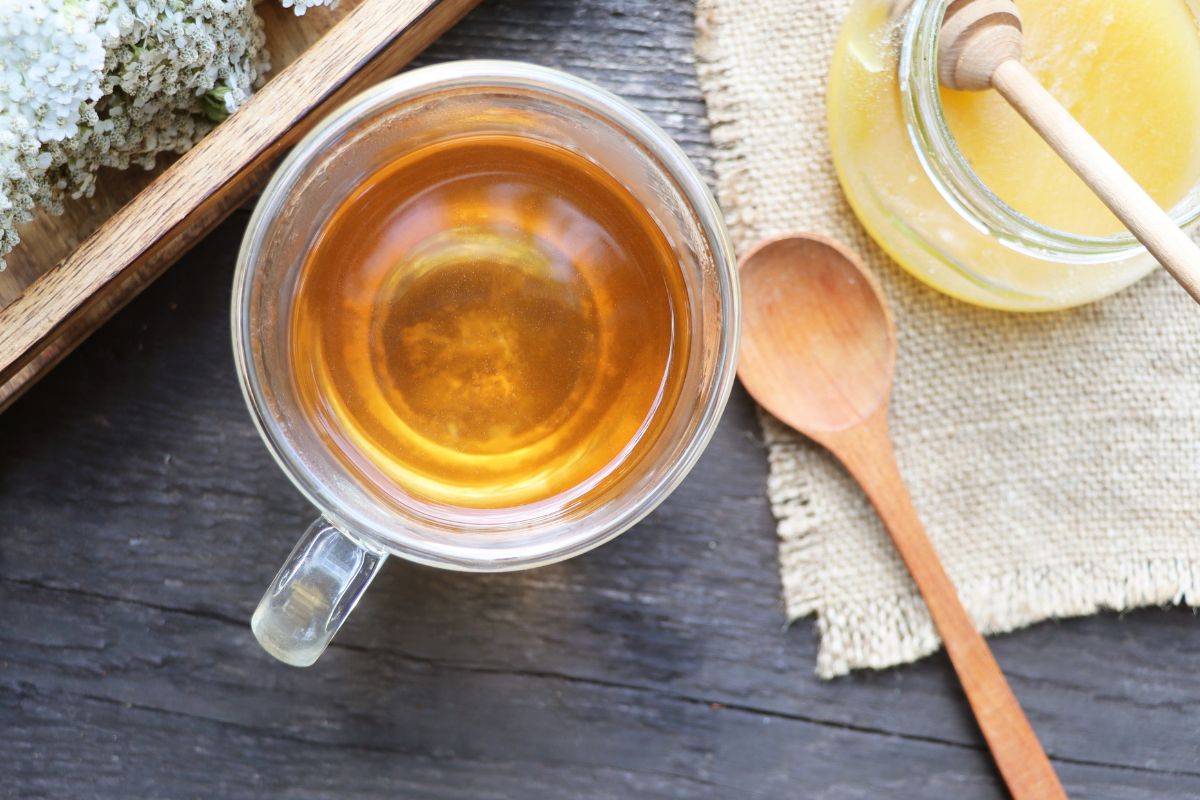
Honey has long been a staple of traditional home remedies, and modern medicine is increasingly examining many of the benefits recognized by past generations. Used mindfully, it can help support the body and ease common autumn and winter ailments, particularly symptoms associated with upper respiratory tract infections.
Not all honey offers the same qualities, however. Its color, aroma and flavor depend largely on the flowers from which bees collect nectar. Darker varieties, such as buckwheat or forest honeydew honey, typically contain more antioxidants and have a deeper flavor, while lighter varieties such as linden or multifloral honey are milder and often preferred as everyday sweeteners.
How to choose real honey
Buying honey, particularly from supermarkets, requires some attention. Most natural honeys crystallize within a few weeks to three months after harvest, so perfectly clear, liquid honey in late winter or spring may indicate that it has been overheated during processing or diluted with sugar syrups. Acacia honey is an exception, as it can remain liquid for up to a year.
The ingredient list is equally important. A good jar should contain only honey, without glucose-fructose syrup, added sugar or artificial flavorings. Consumers are also advised to check the country of origin and, where possible, choose local or at least European products for better traceability and quality control.
A label stating that the product is a “blend of EU and non-EU honeys” often points to mass-produced, heavily filtered honey, sometimes imported from distant markets such as China. Such processing may remove much of the pollen and, with it, a significant portion of honey’s nutritional and diagnostic value.
Natural support for immunity
Honey’s health value comes from its complex mixture of biologically active compounds. In addition to easily absorbed carbohydrates, it contains antioxidants such as flavonoids and phenolic acids, vitamin C and various enzymes. Together, these compounds help neutralize free radicals, limit low-grade inflammation and support the body’s natural defenses.
Researchers have paid particular attention to honey’s antimicrobial properties. Clinical studies suggest that regular consumption may help the body cope with selected viruses and bacteria, while certain medicinal honeys have been used to support wound healing and combat antibiotic-resistant strains on the skin.
Honey can be particularly useful at the first sign of throat irritation. Its thick consistency coats the mucous membrane, creating a natural protective layer, while active compounds can locally ease inflammation. Several studies have found that for nighttime cough in children over one year of age, honey can be as effective as some common over-the-counter cough syrups.
How to use honey correctly
Despite its benefits, honey remains a high-calorie food rich in simple sugars and should be consumed in moderation, particularly by people with diabetes or insulin resistance. It often produces a slightly smaller rise in blood glucose than refined white sugar, but portion control remains important. Because honey is sweeter than sugar, smaller amounts are usually sufficient in recipes.
Temperature is important for preserving its health-promoting properties. Heating honey in a microwave or adding it directly to boiling water can destroy enzymes and significantly reduce antioxidant activity. To preserve more of these compounds, honey is better stirred into drinks after they have cooled slightly to a pleasantly warm rather than scalding temperature.
Honey also works well in autumn teas and herbal infusions, as a topping for porridge or yogurt, or as a sweet addition to salad dressings. In baked dishes or roasted vegetables, it primarily contributes flavor because high oven temperatures reduce its bioactive benefits, although it can still provide a flavorful alternative to refined sugar.
Experts recommend viewing honey as one part of an overall healthy lifestyle rather than a cure-all. Combined with a balanced diet, adequate sleep, physical activity and up-to-date vaccinations, it can be a simple and enjoyable addition during the colder months and may help ease some common symptoms associated with minor respiratory infections.
