
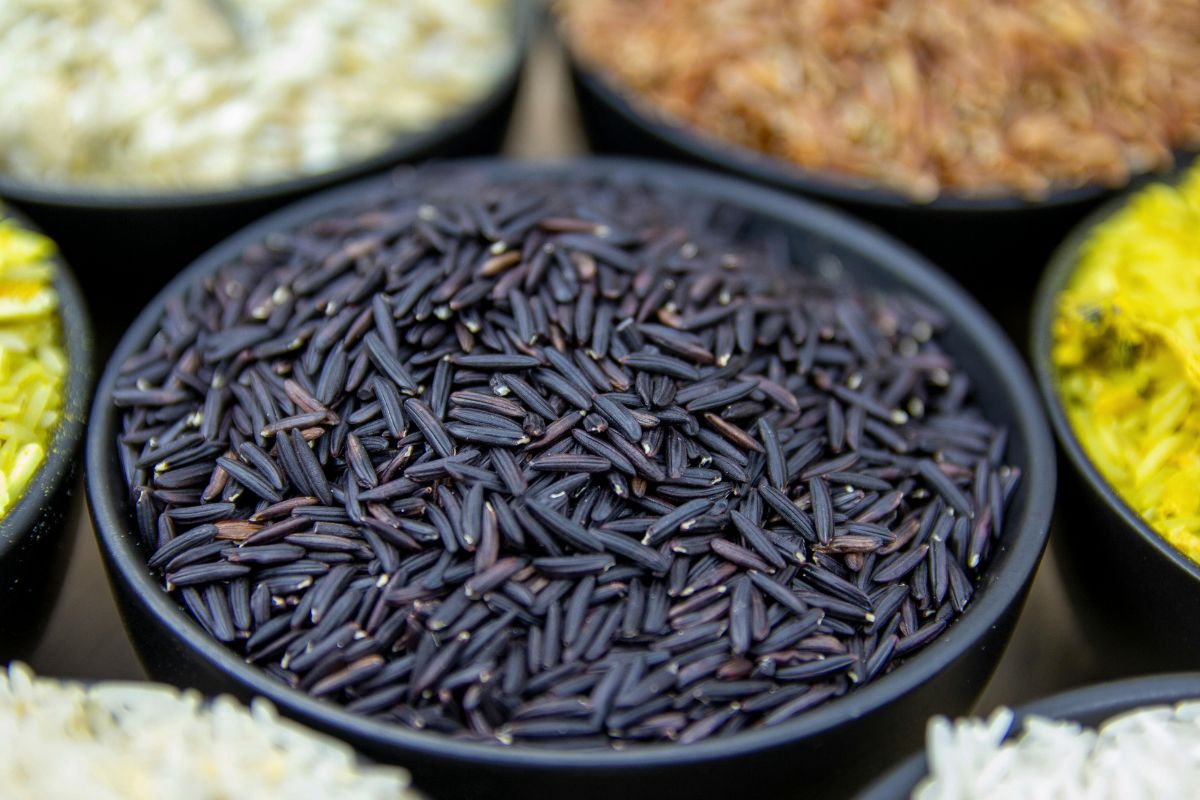
Rice feeds more than half of the global population, yet many of its nutrients remain poorly understood. New research from Japan suggests that certain colored rice varieties may offer metabolic benefits that extend well beyond their basic calorie content.
Although rice is dominated by starch, it also contains smaller amounts of protein, fat, vitamins and minerals. Because lipids account for only a few percent of the grain, they have historically received far less scientific attention than carbohydrates.
A team from Hokkaido University set out to address this gap by examining the complete lipid profile of japonica rice, the short- to medium-grain type widely associated with Japanese cuisine. This variety is known for its soft, slightly sticky texture when cooked.
Japonica rice accounts for about 15% of total rice consumption worldwide, but the category includes a wide range of cultivars with different colors and nutritional characteristics. The researchers analyzed 56 japonica cultivars grown across Japan, including brown, red, green and black rice.
New insight into rice lipids
Lead author Associate Professor Siddabasave Gowda emphasizes that although rice fats are present in relatively small quantities, they can strongly influence nutritional value. Lipids help maintain cell membranes, store energy and regulate important signaling processes in the human body.
Using advanced liquid chromatography and mass spectrometry, the researchers conducted an in-depth analysis of rice lipids. Their work, published in Food Research International, identified 196 distinct lipid molecules divided into five major groups.
This extensive mapping revealed a considerably more complex lipid landscape in rice than previously recognized. Many of these molecules may function as bioactive compounds, meaning they can influence metabolism, inflammation or other physiological processes.
The findings also demonstrate how modern analytical technologies are changing food science. Detailed lipidomics allows researchers to connect subtle chemical differences among staple crops with measurable effects relevant to health.
Why black and green rice stand out
When researchers compared the different cultivars, pigmented rice varieties clearly stood apart. Black and green japonica rice, in particular, displayed lipid profiles associated with stronger health-promoting potential.
These colored grains were enriched in specific lipids, including fatty acid esters of hydroxy medium-chain fatty acids, known as FAHMFAs, and N-acyl-lysophosphatidylethanolamines, or LNAPEs. Both groups have attracted attention in metabolic research.
Previous studies in other systems have linked these types of lipids with anti-inflammatory effects and improved metabolic control. Notably, the Hokkaido University team reports FAHMFAs in rice for the first time, expanding the range of plant foods that may contain these compounds.
Black and green rice are already valued in some cuisines for their distinctive colors and higher levels of antioxidants. The new findings suggest that their lipid composition could provide another, less visible nutritional advantage.
Slower blood sugar spikes observed
To investigate how these differences might translate into potential health effects, the researchers modeled human digestion in the laboratory. They cooked selected rice samples and then exposed them to digestive enzymes.
By measuring how quickly starch was broken down into simpler sugars, the team estimated how rapidly each type of rice might raise blood glucose following a meal. This type of in vitro digestion test is widely used to approximate glycemic impact.
Black and green japonica rice were associated with a slower rate of starch breakdown compared with standard white rice. This pattern suggests a more gradual release of glucose into the bloodstream.
Foods that produce a slower increase in blood sugar are often considered better options for people at risk of type 2 diabetes or cardiovascular disease. They may reduce pressure on insulin production and help smooth daily fluctuations in glucose levels.
Potential for functional rice products
The Hokkaido University study forms part of a broader research effort aimed at identifying novel bioactive lipids in Japanese foods. The same research group has previously discovered unique fats in fish, herbal teas and seaweeds.
By systematically cataloging these compounds, scientists hope to better connect traditional diets with measurable health outcomes. Japan’s culinary heritage includes numerous foods rich in complex lipids that remain relatively underexplored scientifically.
Gowda notes that a clearer understanding of lipid profiles could eventually help consumers make more informed choices among different rice varieties. People may one day be able to select black, green or other pigmented rice according to their individual health needs.
The findings could also help breeders and food manufacturers develop functional rice products. Such foods might be designed to support blood sugar management, cardiovascular health or broader lifestyle-related conditions connected with diet quality.
Experts caution that additional research, including human clinical trials, will be necessary before firm dietary recommendations can be made. Still, the study adds to evidence that not all rice is nutritionally identical and that grain color may signal deeper metabolic differences.
For now, nutrition researchers see pigmented japonica rice as a promising candidate for future diabetes-friendly foods. As global demand for healthier staple grains continues to grow, colored rice varieties could eventually move from niche ingredients into more mainstream diets.
