
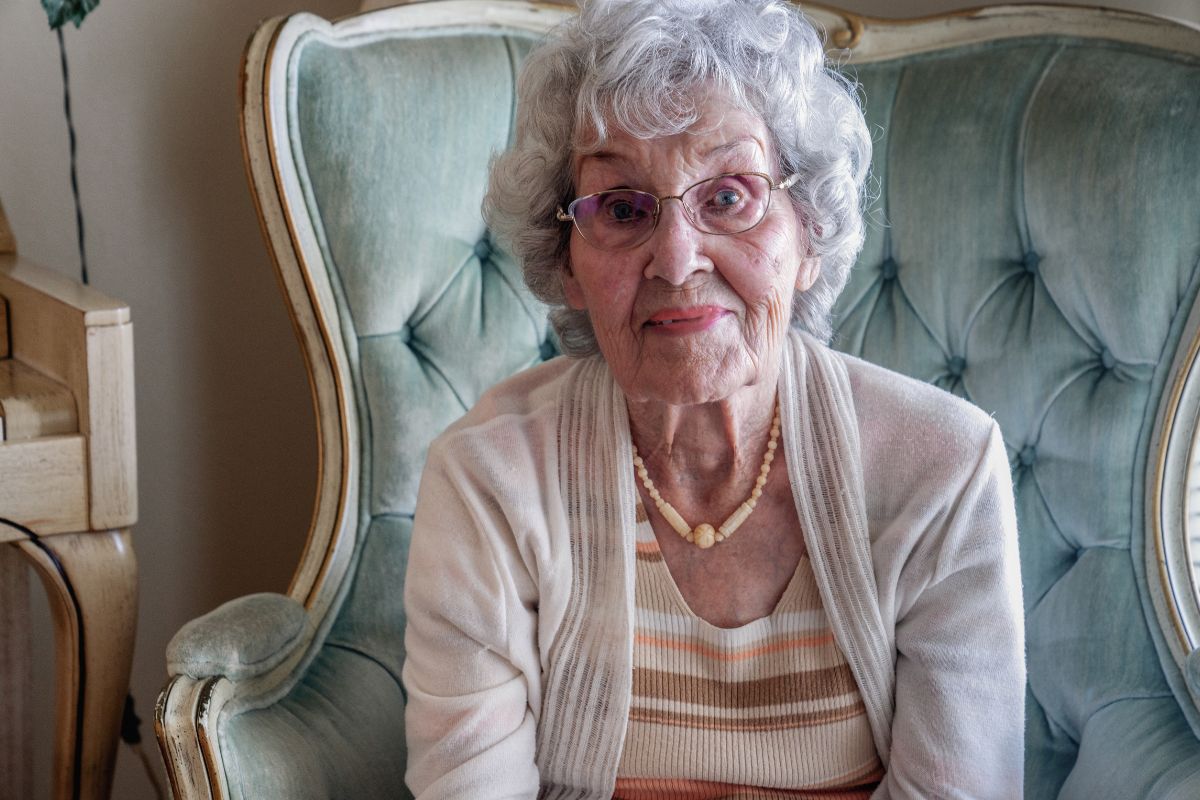
Only a tiny fraction of people worldwide reach the age of 100, making centenarians an important population for researchers studying exceptional longevity. Scientists have long observed that longevity can cluster within families, but questions remain about how much of this advantage reflects inherited biology and how much comes from lifestyle and environment.
A new study published in JAMA Network Open provides evidence that the children of centenarians experience substantial health advantages. The findings suggest that inherited biological factors may contribute to both longer life and healthier aging alongside environmental and behavioral influences.
What the new study examined
Researchers from Albert Einstein College of Medicine and collaborating institutions pooled data from three large, long-running studies of aging. They analyzed more than 2,300 adults whose parents lived to at least 100 and compared them with more than 1,700 adults whose parents died at younger ages.
The cohorts had been followed for years, providing detailed information on medical history, lifestyle and survival. By combining the datasets and accounting for multiple potentially influential factors, the researchers examined whether having a centenarian parent was associated with differences in age-related disease and longevity.
Lower risks of disease and death
Across all three cohorts, offspring of centenarians consistently showed lower risks of several major age-related conditions. Compared with controls, they had approximately a 32% lower risk of hypertension and a 33% lower risk of cardiovascular disease at any given age.
Their overall risk of death during follow-up was also around 42% lower. In two of the three datasets, centenarian offspring had a lower risk of stroke, adding to evidence that cardiovascular and vascular health may contribute to exceptional longevity.
The differences were also reflected in the timing of major health events. Hypertension developed roughly five years later among centenarian offspring, while death occurred approximately three years later on average than among comparable participants whose parents had died younger.
Together, the findings indicate that people from exceptionally long-lived families may not simply live longer but may also postpone some common age-related diseases.
Cancer risk showed a different pattern
One notable finding was that cancer risk was not significantly lower among the children of centenarians. Overall cancer diagnosis rates were similar to those in the comparison group despite the centenarian offspring living longer and experiencing fewer cardiovascular problems.
The researchers proposed several possible explanations. Centenarian offspring could potentially be more resilient to fatal forms of cancer, resulting in similar incidence but different effects on survival.
Another possibility is that people from long-lived families undergo different patterns of cancer screening, potentially increasing the detection of slower-growing cancers that have less influence on overall mortality.
These possibilities require further investigation, but the findings suggest that the health advantages associated with exceptional familial longevity may not extend equally across all age-related diseases.
Genes versus lifestyle influences
The researchers examined whether lifestyle and socioeconomic differences could account for the observed advantages, considering factors including diet, education, socioeconomic status and tobacco use.
Even after accounting for these factors, much of the health advantage among centenarian offspring remained. This supports the possibility that inherited biological characteristics contribute to their unusual patterns of aging.
However, the results do not mean that lifestyle is unimportant. Genetic predisposition and environmental exposures can interact throughout life, and inherited advantages do not eliminate the effects of smoking, physical inactivity, high blood pressure or other established health risks.
The findings are consistent with previous research showing that exceptional longevity clusters within families and may involve multiple genetic pathways related to processes such as metabolism, inflammation and cellular maintenance.
Rather than a single “longevity gene,” exceptionally long life is likely influenced by combinations of biological and environmental factors.
Why this research matters
As populations age and age-related chronic diseases become increasingly important public health challenges, researchers are trying to understand why some people remain comparatively healthy into very old age.
Centenarians and their descendants provide a valuable opportunity to investigate biological characteristics associated with exceptional survival. Identifying protective mechanisms in these families could eventually help researchers understand pathways that might be targeted to extend healthy years of life more broadly.
The study also supports the idea that healthy aging may involve more than simply avoiding harmful exposures. Some individuals may possess biological characteristics that make them more resilient to processes that contribute to age-related disease.
At the same time, familial longevity does not make healthy behavior unnecessary. Avoiding smoking, remaining physically active and managing established cardiovascular risk factors continue to play important roles in health regardless of genetic background.
Future research will investigate specific genetic variants, molecular pathways and environmental factors that distinguish exceptionally long-lived families. As genomic databases and long-running aging studies expand, researchers hope that studying centenarians and their descendants will reveal mechanisms that could eventually help more people remain healthy for longer.
