
He had once been athletic and healthy. Then came years of exhaustion, pain, memory problems and severe psychiatric symptoms that eventually forced him to leave college. Despite repeated specialist care over six years, his health did not recover.
When the 27-year-old died, his family still had no clear explanation for his prolonged illness. Postmortem testing later detected DNA from two Babesia species, parasites that infect red blood cells, as well as Bartonella henselae, the bacterium best known for causing cat-scratch disease.
His case is one of six described in a postmortem investigation initiated after families sought additional answers about prolonged illnesses. Researchers detected DNA from Babesia, Bartonella, or both in five of the six individuals.
All six, aged 14 to 30, had experienced chronic illness alongside suicidal thoughts or behaviors and, in some cases, other serious psychiatric symptoms. However, the study cannot establish whether the detected microbes contributed to those symptoms or deaths.
Unusual postmortem investigation
Four of the individuals died by suicide, one through medical assistance in dying, and another from a severe immune overactivation disorder. Their families contacted Edward Breitschwerdt, an infectious disease researcher at North Carolina State University.
They were familiar with his research investigating possible relationships between Bartonella infections and neurological or neuropsychiatric symptoms. Families provided medical histories and arranged for postmortem blood, tissue and fluid samples to be examined by his laboratory.
Some individuals had previously undergone testing or treatment for Babesia or Bartonella, meaning the postmortem investigation continued questions already raised during their lives rather than representing an entirely new search.
Researchers initially examined 125 DNA extracts obtained from blood, cultured blood, tissues and other fluids. Standard quantitative PCR testing for specific pathogen sequences produced negative results.
Tracing parasites and bacteria
The team subsequently used digital PCR, a more sensitive technique, which produced weak signals in some specimens. None met the study’s predefined threshold for a positive result, prompting additional targeted testing and DNA sequencing.
Sequencing confirmed Babesia DNA in four of the six individuals, including two with evidence involving more than one Babesia species. Bartonella henselae DNA was confirmed in two cases, and one individual had DNA from both Babesia and Bartonella.
Laboratory controls did not indicate contamination. A weak signal involving Borrelia, the bacterial genus containing several tick-borne pathogens including agents of Lyme disease, could not be confirmed through sequencing.
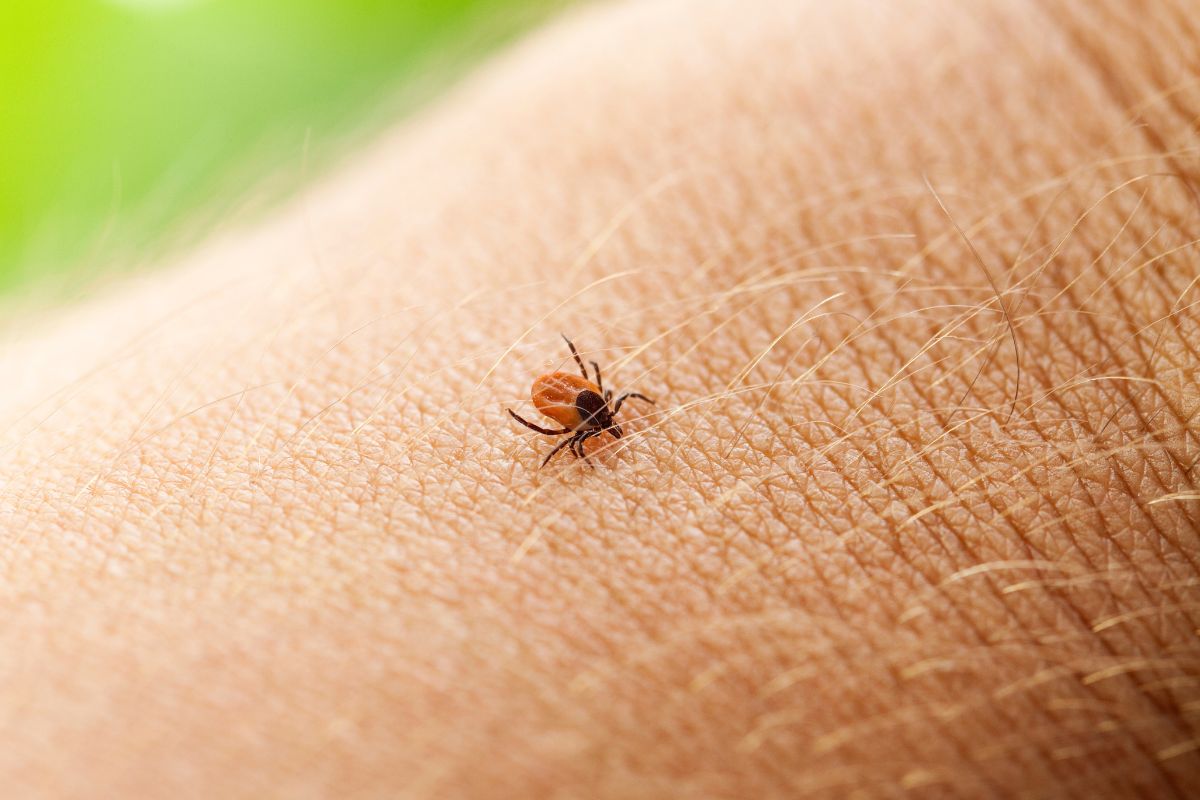
Babesia species that infect humans are commonly transmitted by ticks. Bartonella henselae is associated primarily with cats and fleas, particularly through scratches or bites involving infected cats. The US Centers for Disease Control and Prevention does not recognize ticks as an established route of Bartonella transmission to humans.
Active infection or persistent DNA?
Interpreting pathogen DNA detected after death is difficult. Breitschwerdt told ScienceAlert that detecting genetic material from a recognized pathogen in clinical specimens can provide evidence supporting infection.
However, detection of microbial DNA does not necessarily establish an active infection at the time the specimen was collected. For example, guidance from the Infectious Diseases Society of America notes that PCR for Babesia microti can remain positive for an extended period after treatment.
Persistent DNA could therefore represent ongoing infection in some circumstances or residual genetic material after viable organisms have been reduced or eliminated. The postmortem findings alone cannot reliably distinguish between these possibilities.
Most importantly, detecting pathogen DNA does not demonstrate that Babesia or Bartonella caused psychiatric symptoms, suicidality or death. Establishing such relationships would require substantially different studies involving appropriate comparison groups and prospective data.
Possible links between infection and the brain
Researchers have long investigated how infectious diseases can affect neurological and psychiatric functioning. Potential mechanisms can include direct effects on the nervous system as well as immune and inflammatory responses that indirectly influence brain function.
The authors consider inflammation one possible pathway through which persistent infection might contribute to symptoms. However, the present investigation does not demonstrate that such a mechanism occurred in these individuals.
Breitschwerdt emphasized that the study was observational and did not include matched healthy participants or psychiatric controls. Without comparison groups, it is impossible to determine whether the detected pathogens are more common among people experiencing suicidality than among comparable individuals without those symptoms.
There were also substantial differences between the available specimens. Samples were obtained at different intervals after death, in some cases several days later, and all six individuals had received antimicrobial treatment that could potentially influence pathogen detection.
Calls for broader research
Postmortem biological changes can further complicate interpretation of microbial testing. Together with the small, highly selected sample and absence of controls, these factors mean the findings should be regarded as preliminary.
Breitschwerdt argues that larger studies and greater research investment are needed to determine whether persistent vector-borne infections contribute to some cases of chronic unexplained illness or neuropsychiatric symptoms. He has advocated for a national research center dedicated to vector-borne diseases.
The paper also reports potential conflicts of interest. Breitschwerdt and coauthor Ricardo Maggi cofounded Galaxy Diagnostics, a company offering Bartonella testing, and hold leadership positions there. Coauthor Henry Lindner is related to one of the deceased individuals.
For the families, the findings provide molecular evidence of pathogen DNA that may help inform further investigation. They do not, however, establish an explanation for the illnesses, psychiatric symptoms or deaths.
Published in Parasites & Vectors, the study raises questions about possible relationships between persistent infections, inflammation and neuropsychiatric illness. Larger, independent studies with appropriate controls will be necessary to determine whether the detected pathogens have a causal or clinically meaningful role.
