
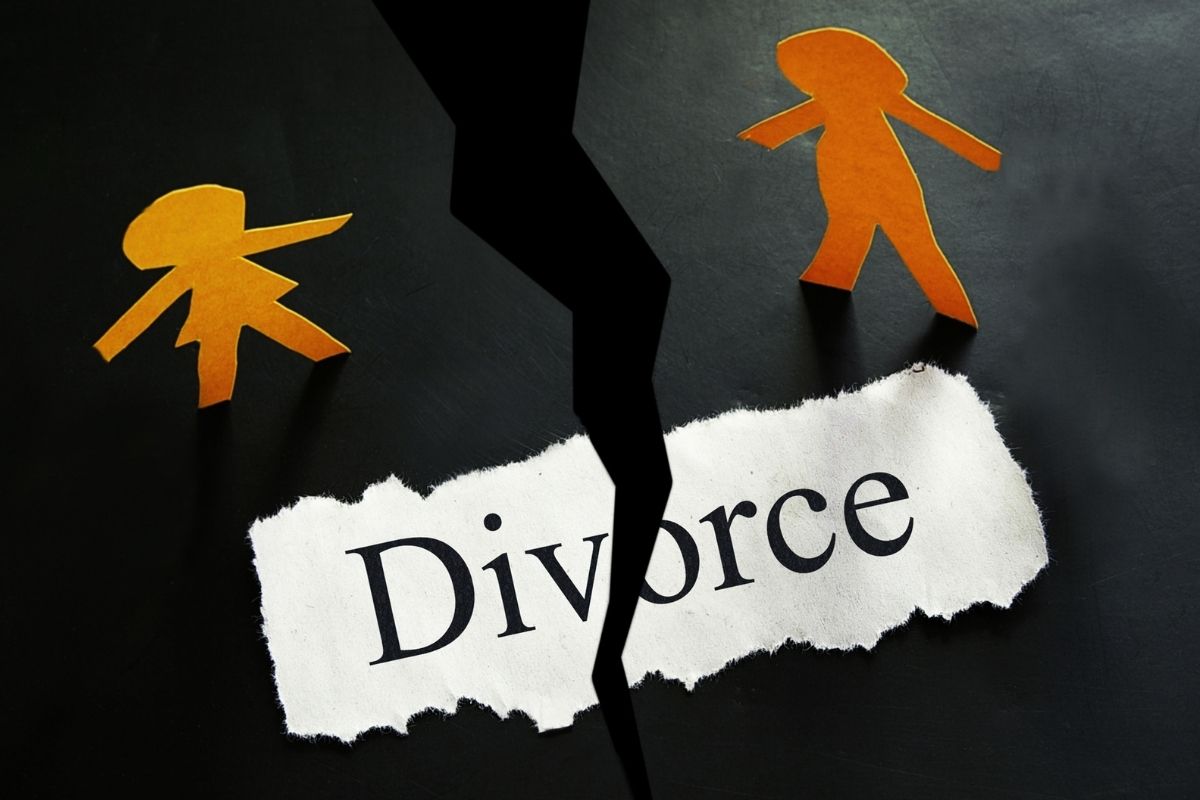
Not long ago, divorce was commonly associated with shame, guilt and the expectation that people should deal with the experience privately. Attitudes toward the end of a marriage, however, are gradually changing. For some people, divorce is increasingly viewed not only as a significant loss but also as a transition into a new stage of life.
Against this backdrop, so-called divorce parties have become a visible way for some people to mark the end of a marriage. Therapists suggest that these gatherings can function as personal rituals, providing social support and a sense of closure during a period that often involves conflicting emotions.
Why people celebrate divorce
Divorce rarely produces a single, straightforward emotional response. A person can miss aspects of a relationship while simultaneously feeling relieved that it has ended. They may grieve shared plans and routines while also recognizing that separation was the right decision for their well-being.
The end of a marriage can involve considerably more than losing a romantic relationship. People may also experience changes in friendships, family traditions, living arrangements, finances and expectations about their future.
For some, gathering with trusted friends or relatives can provide a way to acknowledge this transition. Rather than celebrating the failure of a marriage, the event can recognize that an important chapter has ended while reinforcing the relationships and sources of support that remain.
Social support can be particularly important during major life transitions. Research has consistently linked stronger perceived social support with better psychological adjustment following stressful experiences, including relationship dissolution. Having trusted people available for emotional and practical support may therefore help some individuals cope with divorce.
From stigma to new rituals
The emergence of divorce parties can also be understood within broader changes in attitudes toward marriage and separation. In many societies, divorce has become more socially accepted than it was in previous generations, although attitudes continue to vary considerably across cultures, communities and individuals.
Ideas about what constitutes a successful relationship have also evolved. Emotional well-being, compatibility, equality and personal autonomy increasingly feature in public discussions about whether relationships should continue.
Popular culture has contributed to changing representations of divorce as well. Films, television and online media increasingly depict not only the immediate pain of separation but also people rebuilding their lives afterward. Such representations can challenge the idea that the end of a marriage necessarily represents personal failure.
Social media provides another space where people publicly discuss breakups and divorce. Some share reflections about what they learned, while others post photographs of gatherings or symbolic rituals marking a new beginning. For people who choose to participate, these practices can provide a clearer boundary between the disruption surrounding a separation and the life that follows.
How to host a healthy divorce party
Therapists generally emphasize that a constructive divorce gathering should focus on supporting the person going through the transition rather than humiliating or attacking a former partner.
If the primary purpose is revenge, publicly mocking an ex or demonstrating how happy someone supposedly is without them, the gathering may reinforce anger rather than provide meaningful closure. In such circumstances, waiting until emotions have settled may be more helpful.
Publicity deserves particular consideration when children are involved. Photographs, captions and jokes shared online can remain accessible long after the emotions surrounding a divorce have changed. Parents may therefore want to consider how public material about the separation could eventually affect their children or other family members.
The gathering also does not have to become an extended discussion of everything that went wrong in the marriage. Talking honestly about difficult experiences can be valuable, but repeatedly revisiting anger and resentment may work against the goal of creating a sense of transition.
Instead, the event can focus on supportive relationships and activities the person genuinely enjoys. Food, music, games or personally meaningful rituals can provide structure without requiring the gathering to become either a celebration of the divorce itself or an evening devoted entirely to grief.
Support, not celebration of failure
One possible ritual is asking guests to share qualities they appreciate about the person whose marriage has ended. After a difficult separation, reminders of personal strengths and valued relationships may help reinforce an identity that exists independently of the former marriage.
For some people, a divorce party may fill a gap left by the absence of widely recognized rituals for relationship endings. Weddings and anniversaries have established social ceremonies, while divorce often occurs without an equivalent moment acknowledging that a major life transition has taken place.
A thoughtfully planned gathering can provide that moment. Its purpose does not have to be declaring one person victorious and another defeated. Instead, it can acknowledge both the significance of the relationship that ended and the possibility of moving forward.
At the same time, a divorce party will not be appropriate or helpful for everyone. Some people may prefer a quiet dinner, therapy, time with one or two trusted friends or simply private reflection. Others may not feel any need to formally mark the end of their marriage.
There is no single psychologically correct way to create closure after divorce. What matters is whether a chosen ritual supports adjustment rather than intensifying conflict, humiliation or unresolved resentment.
As social attitudes toward relationships continue to evolve, rituals surrounding their endings may become increasingly varied. Whether someone chooses a gathering with friends or a private moment of reflection, the underlying purpose can be similar: acknowledging what has ended while creating space for the life that comes afterward.
