
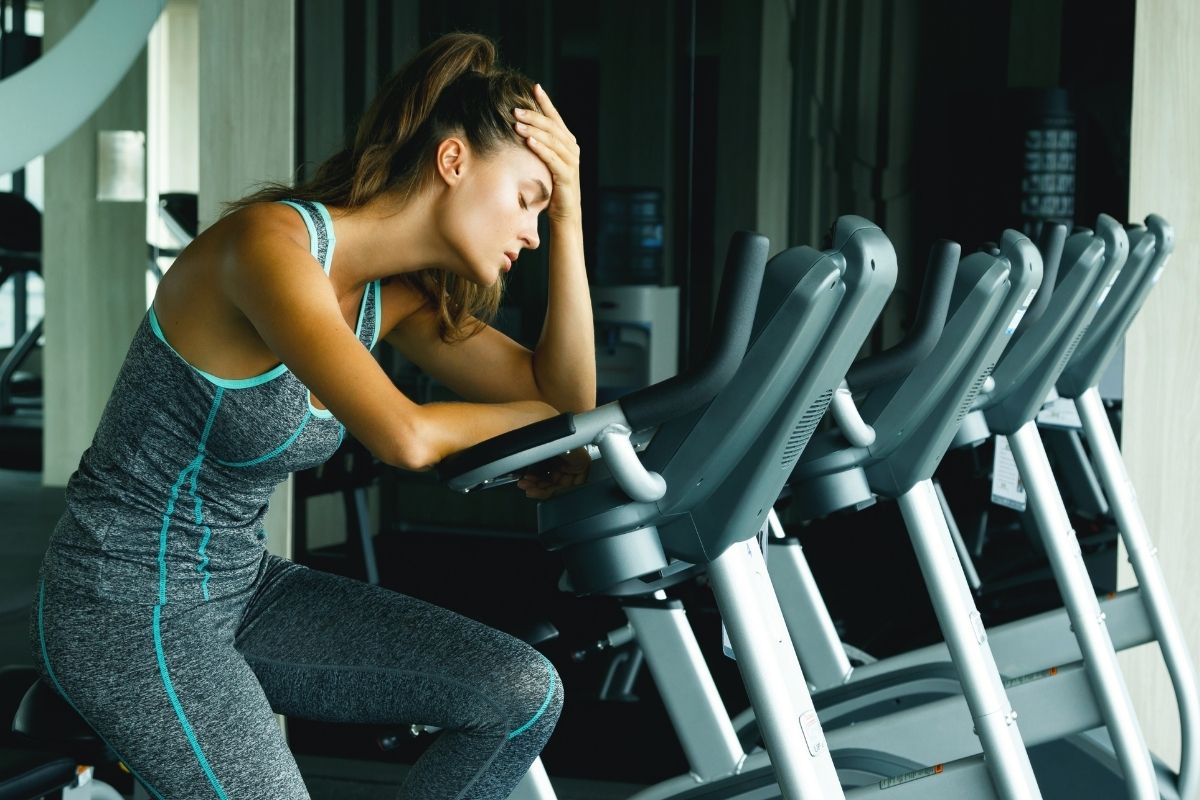
Dragging through a day on only a few hours of sleep creates a familiar dilemma: close your eyes for a while or try to power through. New research suggests that after severe sleep deprivation, a brief bout of exercise may support memory to a similar degree as a substantially longer nap.
A study published in Proceedings of the National Academy of Sciences examined how a short period of exercise compared with napping after prolonged sleep loss. The findings suggest that the two strategies may improve subsequent memory through different mechanisms, even though neither can replace adequate sleep.
Inside the sleep deprivation experiment
Researchers at McGill University in Canada recruited 54 healthy young adults and kept them awake under controlled laboratory conditions for 30 consecutive hours. Participants were monitored throughout the extended wake period to prevent them from falling asleep.
After the sleep deprivation period, participants were randomly assigned to one of three conditions. One group completed 20 minutes of moderate-to-vigorous cycling, another was given a 90-minute opportunity to nap, and a control group sat on a stationary bicycle for 20 minutes without exercising.
Shortly after these interventions, participants viewed a series of images without being instructed to memorize them. Three days later, they returned to the laboratory for a surprise recognition test in which they identified images they remembered seeing previously.
Exercise rivals a nap for memory
Both the exercise and nap groups performed better on the subsequent memory task than the control group. Participants who had napped showed approximately 23 percent better recognition performance than controls, while those who exercised performed about 21 percent better.
The difference between the exercise and nap conditions was not statistically significant. In this experiment, therefore, a 20-minute exercise session and a 90-minute nap were associated with comparable improvements in later recognition memory following prolonged sleep deprivation.
The findings are consistent with previous research suggesting that acute exercise can temporarily support some aspects of cognitive performance during sleep deprivation. Research from the University of Portsmouth, for example, has found that 20 minutes of moderate cycling can improve cognitive performance in people experiencing partial or complete sleep deprivation, including under conditions of reduced oxygen availability.
Two different paths to a similar boost
The new study also examined brain activity to investigate how the two interventions might influence memory. Using electroencephalography, or EEG, the researchers measured neural responses associated with fatigue and information processing.
Among participants in the nap condition, EEG measurements showed reductions in markers associated with sleep pressure and fatigue, including changes in slow-wave activity. Greater reductions in these signals were associated with better performance on the later memory test.
The pattern was different among participants who exercised. Markers associated with sleep pressure remained relatively elevated, resembling those observed in the control group. Exercise therefore did not appear to reduce the underlying electrophysiological signs of sleep pressure in the same way as a nap.
Instead, better memory following exercise was associated with changes in neural signals related to processing the images during their initial presentation. The findings suggest that napping and exercise may have supported memory through different processes: the nap by reducing accumulated sleep pressure and exercise by influencing the way information was encoded despite continued sleep deprivation.
Why this matters for real life
Lead author Marc Roig, a sports scientist at McGill University’s School of Physical and Occupational Therapy, noted that sleep deprivation can impair multiple aspects of cognitive performance. Yet in many circumstances, people cannot immediately compensate for lost sleep.
The findings could therefore be relevant to situations in which people must continue functioning after acute sleep loss and do not have an opportunity to take a substantial nap. Shift workers, healthcare professionals and emergency personnel are among the groups that may sometimes face such circumstances.
Co-author Madhura Lotlikar highlighted exercise as an accessible and relatively inexpensive intervention. The results raise the possibility that a short period of physical activity could provide a temporary cognitive benefit when adequate recovery sleep is not immediately available.
However, the study tested a specific 20-minute cycling protocol in a small group of healthy young adults under controlled laboratory conditions. It does not establish that a brisk walk or other forms of exercise will necessarily produce the same effect, nor that the findings apply equally to older adults, people with health conditions or chronically sleep-deprived workers.
No substitute for healthy sleep
Despite the encouraging results, brief exercise should not be considered a replacement for adequate sleep. A nap may help reduce immediate sleep pressure, while exercise appears to influence cognition through a different mechanism, but neither strategy eliminates the broader consequences of persistent sleep deprivation.
Chronic insufficient sleep has been associated with cardiovascular and metabolic problems, impaired mood and poorer cognitive performance. Insufficient sleep among workers has also been linked to substantial economic costs through reduced productivity.
Sleep recommendations vary somewhat according to age and individual circumstances, but adults generally need around seven or more hours of sleep on a regular basis, with many recommendations placing the typical range at approximately seven to nine hours.
The McGill study adds to evidence that even a relatively brief period of physical activity can influence cognitive performance. For people dealing with unavoidable acute sleep loss, 20 minutes of moderate-to-vigorous exercise may help support subsequent memory even if it does not reduce the brain’s underlying signs of sleep pressure.
