
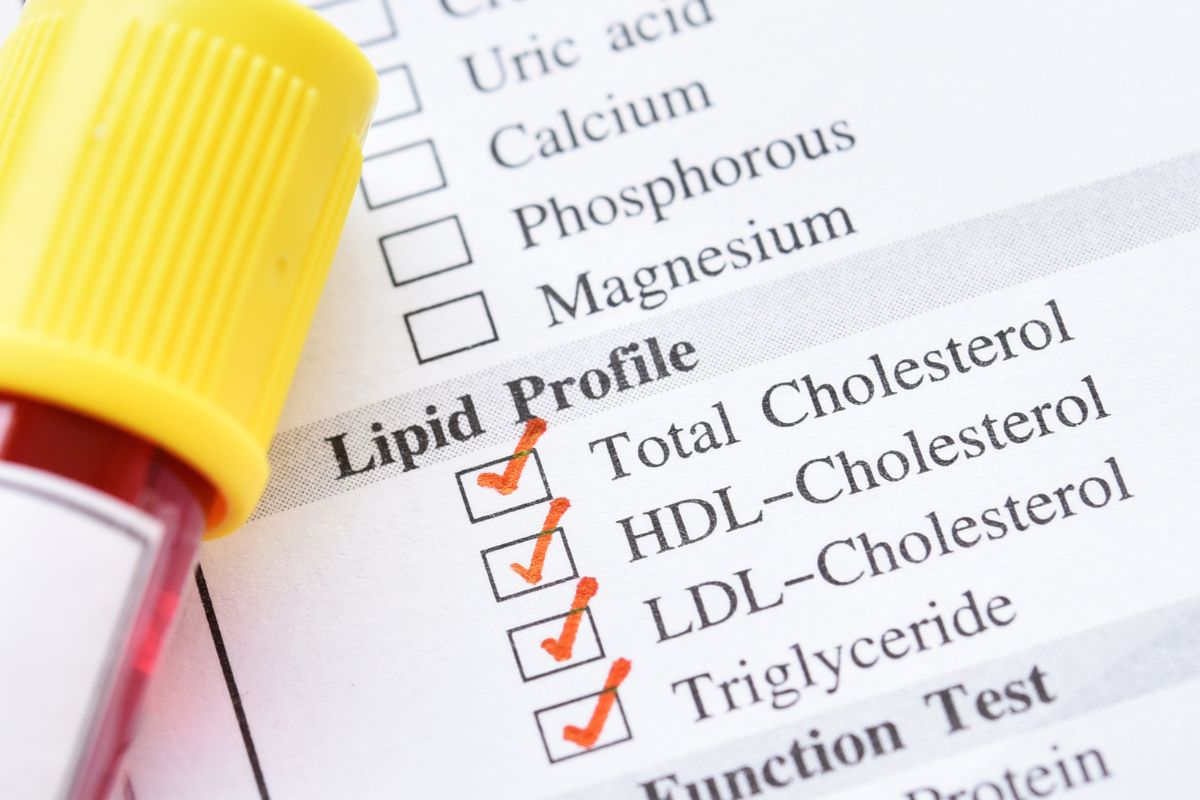
About one in four US adults has elevated LDL cholesterol, a major driver of heart attack and stroke. Specialists now warn that other blood fats and lipoproteins also matter, contributing to dyslipidemia and atherosclerotic cardiovascular disease, the world’s leading killer.
In response, US cardiology experts have released updated cholesterol management guidelines, replacing advice from 2018. The new document keeps cholesterol at the center but broadens the focus to lifetime risk and earlier intervention for harmful blood fats.
Why guidelines are changing now
Guideline chair Roger Blumenthal from Johns Hopkins says most cardiovascular disease is preventable, with high LDL cholesterol being a key modifiable risk factor. He notes that lifestyle changes remain the first step, but drug therapy should now be considered sooner than it was a decade ago.
The new approach emphasizes that cumulative exposure to atherogenic lipoproteins over many years drives artery damage. Lowering LDL earlier and maintaining lower levels over time is linked to greater protection against future heart attacks and strokes.
Earlier screening and new risk tool
To catch problems sooner, routine cholesterol screening is recommended for children aged 9 to 11 if they have not been tested before. Testing can start as early as age two when there is a family history of severe cardiovascular or cholesterol disorders.
For adults aged 30 to 79, clinicians are advised to use a new risk calculator called PREVENT. This tool estimates 10-year and 30-year cardiovascular risk using familiar data such as cholesterol, blood pressure, age, smoking status and other health habits.
Doctors can then refine this estimate by considering additional “risk enhancers,” including family history, chronic kidney disease, inflammatory conditions or metabolic syndrome. These refinements help determine when to begin lipid-lowering therapy.
Reintroduced LDL targets and treatments
Based on PREVENT scores, LDL-lowering measures should be considered even in people with a 3–5 percent 10-year risk of ASCVD and are more strongly advised at a 5–10 percent risk. This marks a shift toward earlier pharmacologic treatment in selected borderline- and intermediate-risk adults.
The guidelines bring back specific LDL cholesterol targets to guide therapy. For borderline- and intermediate-risk patients, the goal is under 100 mg/dL, while high-risk individuals should aim for less than 70 mg/dL.
Among those with established ASCVD who are considered very high risk, the target drops to less than 55 mg/dL. Cardiologist Pamela B. Morris notes that trials show fewer cardiovascular events when LDL is driven even lower than past recommendations suggested.
Statins remain the first-line drugs for LDL reduction, but the new guidance highlights additional options. These include ezetimibe, bempedoic acid, PCSK9 inhibitors and inclisiran, allowing for more personalized regimens when statins alone are insufficient or poorly tolerated.
What patients are urged to do
For the public, the updated message is to prioritize a heart-healthy lifestyle, including nutritious eating patterns, regular physical activity and avoiding tobacco. Regular checkups and cholesterol tests are encouraged to identify rising risk early.
If lifestyle changes do not bring lipid levels into a desirable range, the guidelines support discussing medications sooner rather than later. The document, published in the Journal of the American College of Cardiology, underscores that early and sustained LDL control can significantly reduce the odds of heart attack and stroke over a lifetime.
