
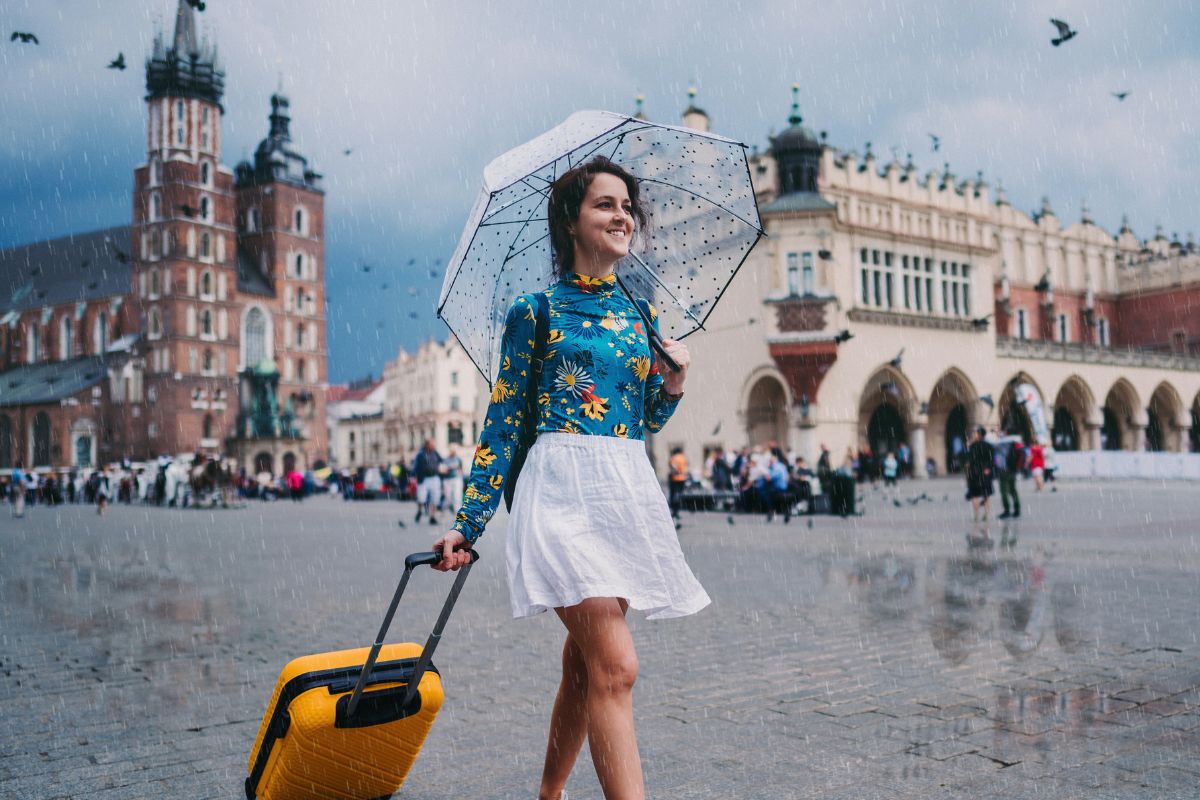
Solo travel has become one of the most romanticized trends in modern tourism, often portrayed as the ultimate path to freedom, self-discovery and flexible itineraries. Social media is filled with images of lone travelers against scenic backdrops, inspiring others to set off without family or friends. Yet the reality of traveling alone does not always match the glossy image.
American travel writer Ken Budd argues that solo trips have a far less glamorous side that is rarely discussed. Writing for Fodor’s, he reflects on years of traveling alone despite being an introvert who generally enjoys solitude. His experience has led him to conclude that journeys can often feel richer and more fulfilling when shared with other people.
Hidden downsides of solo trips
Budd compares traveling alone to drinking alone, suggesting that while the activity itself may be enjoyable, the absence of companionship can sometimes leave the experience feeling hollow. One of his most vivid memories comes from a recent visit to Lugano, Switzerland, where he felt marginalized as a solo diner.
Upon entering a local restaurant, Budd was led past empty tables to a dim back room. Another solitary guest was eating pasta while looking at a phone. Budd interpreted the setting as a place where customers dining alone were seated away from couples and groups in the main dining area.
He notes that experiences like this can make solo travelers feel like a lower priority than larger parties. For Budd, the episode in what he described as a “room for losers” became a turning point. After that evening, he decided he would no longer have sit-down restaurant dinners completely alone while traveling.
When solitude stops helping
Budd acknowledges that there was a period when solo travel suited him particularly well. During a difficult time marked by several personal tragedies, he found comfort in being alone with his thoughts in unfamiliar places. Wandering through foreign cities gave him space to process grief and regain some emotional balance.
Over time, however, the benefits of solitude began to fade. He found evenings particularly difficult, especially dinners after long days of sightseeing. At those moments, he increasingly wanted someone with whom he could share impressions, discuss unexpected encounters and make plans for the following day.
Following his experience in Lugano, Budd changed his routine. Instead of eating dinner alone in restaurants, he began buying ready-made sandwiches from the Swiss supermarket chain Coop. He would eat them on a bench beside the lake or at a quiet table in a hotel courtyard, finding that these settings felt less isolating than sitting alone at a restaurant table.
Value of shared experiences
Beyond companionship, Budd emphasizes the practical advantages of traveling with another person. Partners or friends can help solve logistical problems, make decisions during stressful situations and offer a second perspective when something does not feel right.
He also believes that visibly solitary tourists can be more vulnerable to scammers and petty criminals. Having another person nearby may provide additional awareness and support when navigating unfamiliar surroundings.
Budd does not regret his years of traveling alone and acknowledges the flexibility and opportunities for personal growth that solo trips can provide. However, he no longer views this style of travel as universally liberating. For him, some of the most meaningful travel experiences are shaped as much by companionship as by the destination itself.
While strolling through Lugano’s old town, looking at shop windows and drinking coffee in a historic square, Budd found himself thinking about his family. He imagined returning with his wife and grandchild so they could experience the same streets, views and cafés together. The experience reinforced his sense that the people accompanying a journey can ultimately matter more than the sights themselves.
Other travel professionals have also addressed the emotional challenges of traveling alone. Journalist Jenna DeLaurentis has shared strategies for managing loneliness during solo trips, including choosing more social accommodation and participating in small-group activities. Lonely Planet has similarly published guidance on exploring independently while remaining safe, engaged and connected.
Together, these perspectives offer a more balanced picture of solo tourism. Traveling alone can be rewarding and transformative, but it is not necessarily the ideal choice for everyone or at every stage of life. Behind the aspirational images of independence and freedom, solo travel can also involve loneliness, awkward social experiences and a desire to share meaningful moments with someone else.
