
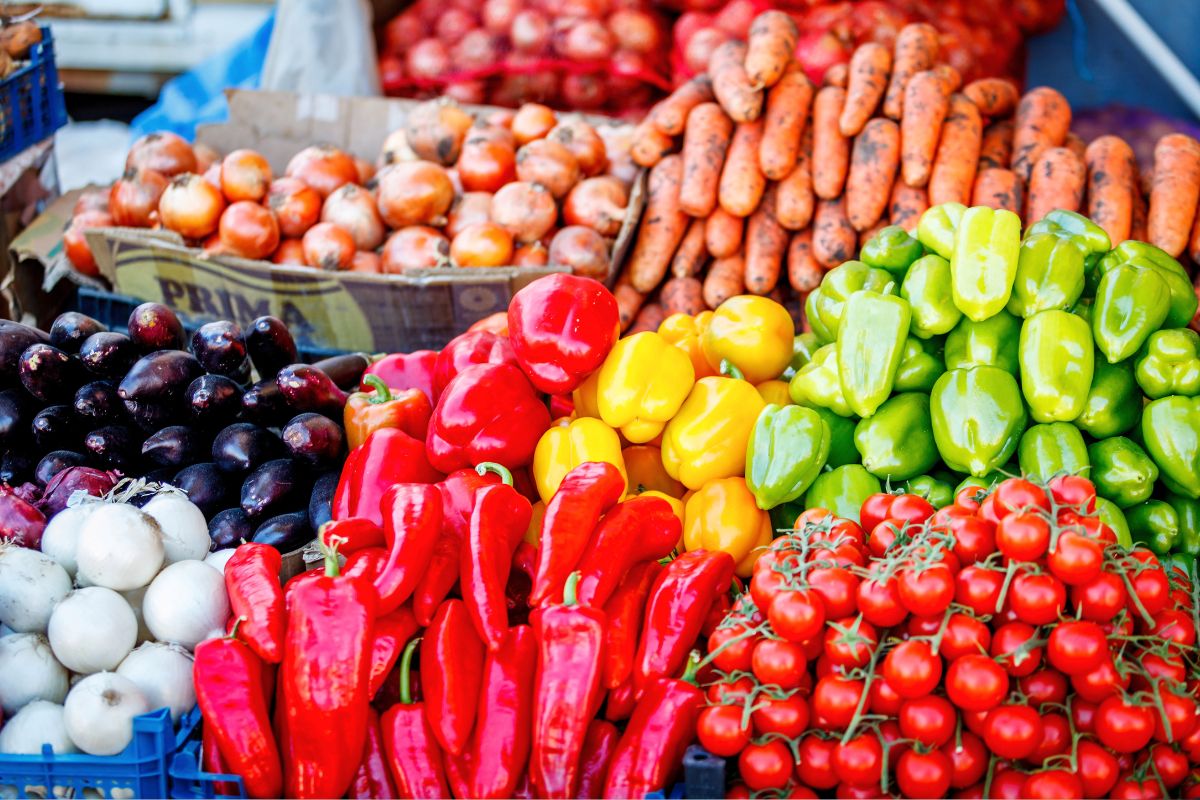
Human diets are becoming increasingly monotonous, and vegetables are at the heart of this decline. Around the world, people eat far fewer vegetables than health experts recommend, and a shrinking range of crops is compounding the problem. Scientists warn this quiet loss of diversity is undermining both nutrition and climate resilience.
A new study in the Proceedings of the National Academy of Sciences, led by agriculture scientist Maarten van Zonneveld during his time at the World Vegetable Center, argues that current farming strategies are not enough. The authors say producing more vegetables alone will not fix global malnutrition. Instead, they call for a major shift toward growing a far wider range of species and varieties.
According to the research team, much of the vegetable biodiversity we need still exists in traditional crops and their wild relatives. However, these resources are poorly conserved and rarely used in mainstream agriculture. The scientists stress that protecting and deploying this diversity is urgent as climate change makes growing conditions more extreme and unpredictable.
Dietary gaps and health risks
Globally, most people consume about 40 percent fewer vegetables than the minimum levels advised for a healthy diet. Public health studies rank low vegetable intake among the top five dietary risk factors linked to chronic disease and premature death. Insufficient vegetables are associated with heart disease, stroke, and some cancers.
Economic pressure also shapes these choices. In many households, vegetables are often the first items cut when budgets are tight, since cheaper, calorie-dense staples keep people feeling full. Farmers, meanwhile, frequently view vegetables as riskier than grains because they spoil faster, require more careful handling, and depend on reliable storage and transport.
As a result, markets tend to favor a narrow set of familiar crops that can be standardized and shipped long distances. This focus may simplify supply chains, but it reduces the variety of nutrients available to consumers and weakens the overall resilience of the food system.
From rich diversity to monocultures
Before industrial agriculture, communities cultivated a large range of local vegetables adapted to their soils, climates, and culinary traditions. Today, only a small fraction of that diversity reaches supermarket shelves. For example, more than 4,000 potato varieties exist worldwide, yet only about five to eight dominate US production and consumption.
Industrial farming has favored uniformity and scale, from intensive breeding for yield and appearance to vast monocultures of a few profitable crops. Global supply chains and the rise of standardized processed foods have further narrowed what is grown and eaten. While this system delivers abundance of certain items, it sidelines lesser-known but nutrient-rich vegetables.
The United Nations Food and Agriculture Organization estimates that about 24 percent of assessed wild relatives of vegetable crops face extinction risk. As these plants disappear, so do unique genes that could help future crops resist pests, tolerate drought and heat, or retain high nutrient density. Losing them closes off options for adapting agriculture to a changing climate.
Overlooked vegetables with big potential
The study highlights several promising but neglected vegetables that could play a larger role in regional food systems. Spider plant, a dark-green leafy vegetable widely grown in Africa, is rich in micronutrients and naturally tolerant of heat and dry spells. Despite its promise, only a few local varieties are stored in gene banks, leaving major gaps for breeders.
Slippery cabbage is another nutrient-dense leafy vegetable popular across Pacific islands. Researchers note that it could significantly improve nutrition for women and children in areas where diets can be heavily dependent on starchy staples. Yet, like many traditional crops, it receives little attention from global agriculture initiatives and remains largely absent from national policy.
Bitter gourd, valued in Asia and the Caribbean, is both climate-resilient and nutritionally important. It has numerous wild relatives that could be used to improve commercial varieties, particularly in hot, humid regions. Pumpkin, already a familiar crop, also stands out for its ability to handle heat and drought while delivering beta-carotene, a key source of vitamin A, but its genetic diversity remains underused and poorly conserved.
Researchers suggest these four vegetables could anchor regional efforts to diversify production, though they are far from the only candidates. More than 1,480 vegetable species are known, many adapted to challenging environments and rich in vitamins and minerals. Yet most are either locally confined or almost invisible in large-scale food policies and investment plans.
A global initiative for local action
The authors argue that reversing the decline in vegetable diversity requires coordination at global, national, and local levels. They call for an international initiative focused specifically on conserving and using traditional vegetables and their wild relatives. Such an effort would support gene banks, breeding programs, farmer training, and market development.
At the same time, the study emphasizes the importance of grassroots change in fields and kitchens. Farmers can experiment with local varieties, test their performance under climate stress, and preserve seeds for future seasons. Community seed banks and participatory breeding projects can help adapt crops to local conditions while preserving genetic richness.
Consumers, too, have a role in shaping which vegetables survive. Buying from farmers’ markets and smaller retailers often brings access to a wider range of produce than standard supermarket offerings. Trying unfamiliar vegetables and asking for local varieties can create demand that encourages growers to plant them, helping keep those crops in active use.
What households can do now
For gardeners, planting heirloom or landrace varieties is one of the simplest ways to support diversity. These lines often carry traits that helped them survive generations of local weather, pests, and soils. Saving seeds from successful plants and replanting them in later seasons can gradually produce unique strains adapted to a particular garden or community.
Nutrition experts also stress the value of small, practical steps toward variety at the dinner table. Adding one or two new vegetables a week, rotating leafy greens, and combining local species with familiar staples can steadily expand dietary diversity. Over time, these shifts can help close the gap between current intake and recommended levels.
The researchers conclude that the world is losing vegetable biodiversity at the very moment food systems urgently need diversification. They argue that bringing neglected crops into mainstream strategies could improve diets, strengthen resilience to climate change, and protect a vital genetic resource for future generations. Whether those vegetables remain on the margins or become part of everyday meals may depend on choices made now by policymakers, farmers, and consumers alike.
