
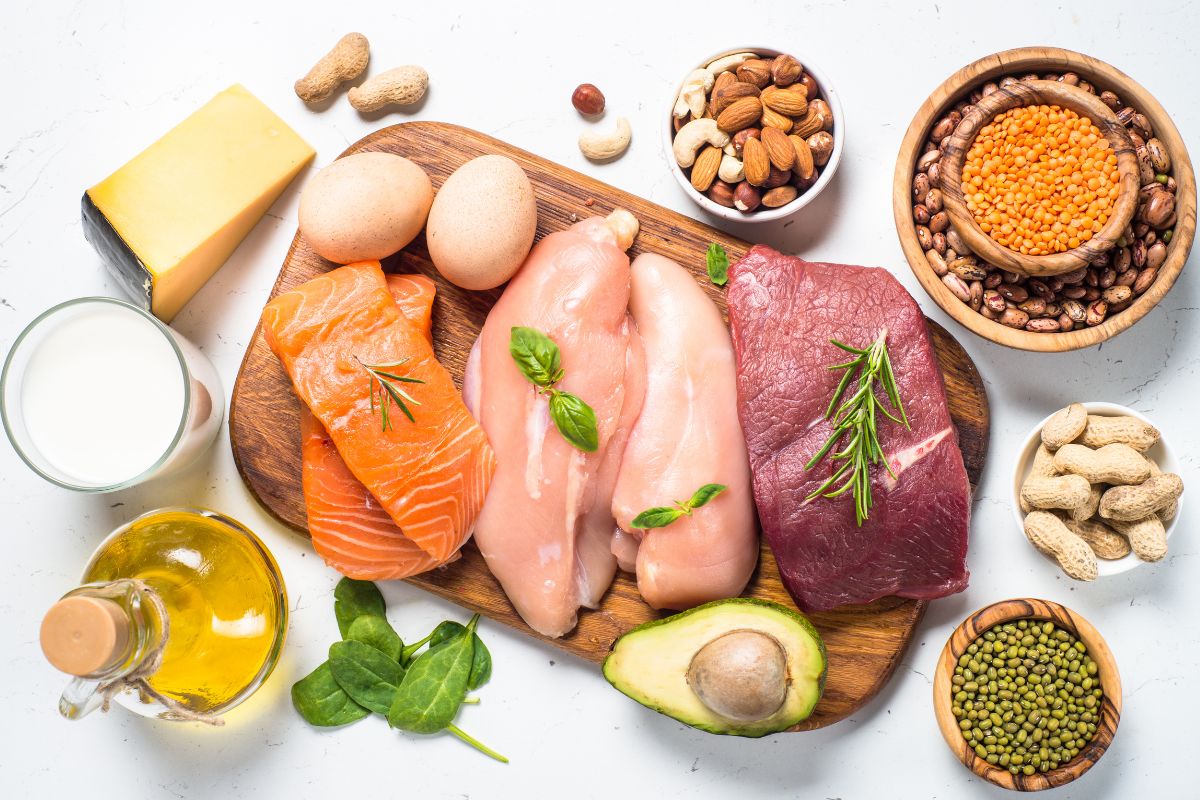
Protein-enriched foods have become increasingly common in supermarkets, from breakfast cereals to ready-to-drink shakes, as many consumers seek to build muscle or support weight management. However, a new scientific review of more than 350 studies suggests that, for some people, regularly consuming less protein may actually promote healthier aging and even extend lifespan.
The review, published on July 31 in Cell Reports Medicine, examined how protein restriction influences metabolism and age-related diseases. The researchers concluded that lower protein intake may improve nutrient metabolism, reduce cellular damage and help preserve normal cellular function as people age.
Study author Dudley Lamming of the University of Wisconsin–Madison notes that protein remains important for muscle growth and recovery after exercise, particularly for physically active individuals. However, he argues that many relatively sedentary adults likely consume considerably more protein than they require, which could carry long-term health consequences at the population level.
Protein restriction and healthy aging
Scientists have known for decades that reducing overall calorie intake can extend lifespan and delay age-related diseases in many animal species. Because long-term calorie restriction is difficult for most people to maintain, researchers have increasingly explored whether lowering protein intake might provide similar benefits in a more practical way.
Earlier studies in flies and rodents found that animals often lived longer when protein intake was reduced, even if total calorie consumption remained unchanged. More recent human studies have also suggested that moderate protein restriction can improve metabolic health, including fasting blood glucose levels, while sometimes allowing individuals to consume slightly more calories overall.
Across the studies included in the review, lower-protein diets were frequently associated with improved insulin sensitivity, lower body fat and reduced concentrations of several inflammatory markers. These metabolic improvements are linked to a lower risk of developing conditions such as type 2 diabetes, cardiovascular disease and certain cancers, all of which become more common with advancing age.
Conflicting evidence on high-protein diets
At the same time, the evidence does not consistently favor lower protein intake.
Numerous clinical studies have shown that higher-protein diets can promote weight loss, reduce hunger and help preserve muscle mass, particularly when combined with resistance exercise or among older adults who are vulnerable to frailty and age-related muscle loss.
These findings have influenced recent discussions surrounding U.S. dietary recommendations, with many experts now suggesting that adults—especially older individuals—may benefit from consuming between 1.2 and 1.6 grams of protein per kilogram of body weight each day. This represents nearly double some previous recommendations and reflects growing concern about maintaining muscle as people age.
To reconcile these apparently conflicting findings, Lamming and his colleagues reviewed decades of research examining protein intake, metabolism and aging. Their analysis suggests that optimal protein consumption is unlikely to be the same for everyone and instead depends heavily on factors such as age, physical activity and overall dietary quality.
Hormones and amino acids may explain the effects
One important focus of the review is fibroblast growth factor 21 (FGF21), a hormone that increases when protein intake is reduced.
Animal studies have linked elevated FGF21 levels with higher energy expenditure, improved blood sugar regulation and reduced inflammation. Some mouse studies have even shown significantly longer lifespans when FGF21 levels remain chronically elevated.
Short-term human studies also demonstrate that low-protein diets increase FGF21 production, although researchers emphasize that the long-term effects and optimal hormone levels remain unclear. FGF21 appears to function as a metabolic signal that helps the body adapt to lower protein intake by shifting energy metabolism toward more favorable pathways.
The review also examined individual amino acids—the building blocks of protein—and their potential influence on aging.
Excessive intake of amino acids such as methionine, isoleucine and valine may keep growth-related pathways, including the mTOR signaling pathway, persistently activated. Chronic activation of these pathways has been linked to obesity, insulin resistance and several other age-related diseases.
Higher protein remains important for some people
The researchers stress that reducing protein intake is not appropriate for everyone.
Pregnant individuals, people recovering from surgery or serious illness, and many older adults at risk of losing muscle mass often require higher protein intake to maintain strength, recovery and normal physical function.
Athletes and highly active individuals also appear to respond differently. Lamming suggests that regular physical activity may help direct dietary protein toward building and maintaining muscle rather than contributing to unfavorable metabolic changes observed in more sedentary populations.
Overall, the findings support a more individualized approach to dietary protein recommendations, taking into account a person’s age, health status and daily activity level. Rather than recommending a single protein target for everyone, future guidelines may increasingly emphasize personalized intake ranges developed with medical or nutritional guidance.
For now, the authors recommend that generally healthy but sedentary adults discuss their protein intake with healthcare professionals or registered dietitians, considering both their current lifestyle and long-term health goals. Additional large-scale human studies are now underway to better determine how different levels of protein intake influence lifespan and the risk of age-related disease.
