
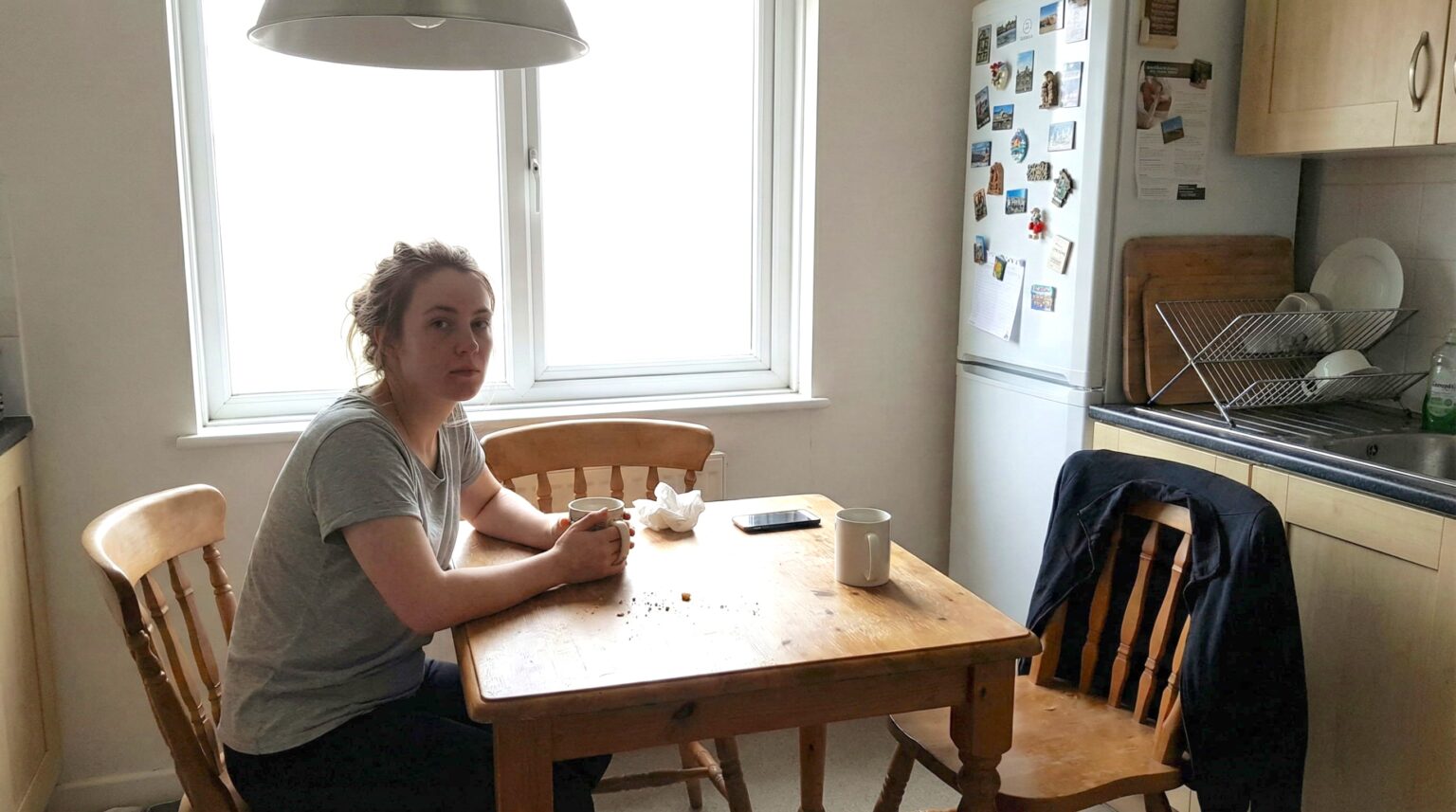
“Nobody warns you that love can die of neglect.”
That’s what Emily told her therapist three months after her nine-year relationship ended. Not from infidelity. Not from a dramatic fight. From something researchers now call gradual emotional drift — an invisible process that health professionals say affects the majority of long-term relationships.
Emily’s Story: When Ambition Replaced Connection
Emily met Ryan at 22 — a Saturday bootcamp workout, cheap tacos, the feeling that something important had started. They moved in together, built careers, adopted a golden retriever. Friends kept asking when they’d get married.

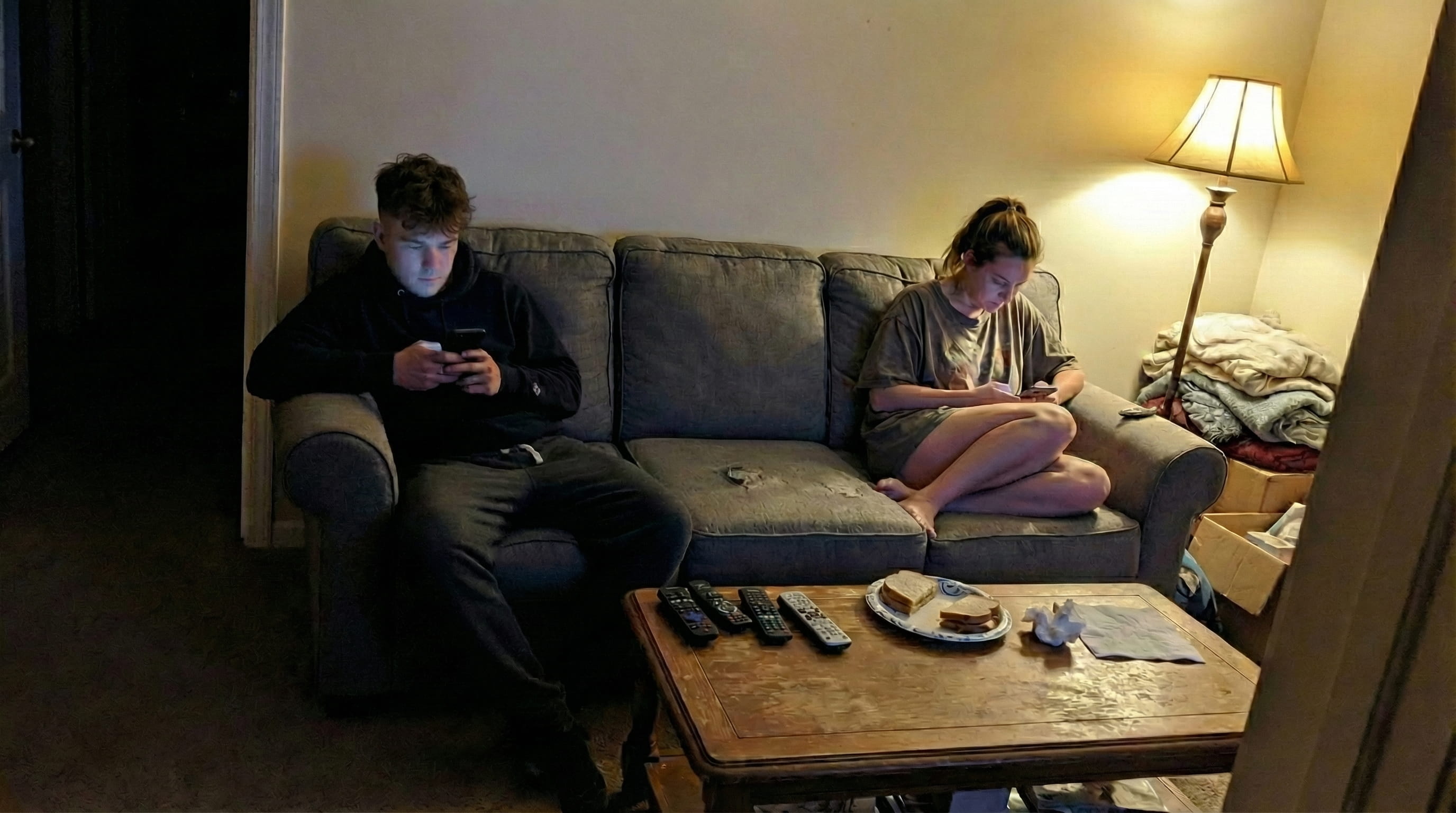
But when Ryan’s startup began growing, his hours doubled. Emily started freelancing evenings. They stopped cooking together, stopped going to the gym, stopped planning a future. “At first we told ourselves we were doing it for our future,” she says. But slowly, the distance stopped feeling temporary.
One night Emily asked: “Do you still see us getting married?” Ryan hesitated. That silence destroyed nine years in seconds.
The Financial Impact
Even without children or major shared assets, the separation cost nearly $40,000.
| Expense | Cost |
|---|---|
| Attorney fees | $12,500 |
| Mediation services | $3,200 |
| Individual therapy | $4,800 |
| Lease break + new deposits | $6,700 |
| Furniture replacement | $3,400 |
| Shared debt division | $8,900 |
| Total | ~$39,500 |
What Research Shows About Prevention
A behavioral relationship survey of 1,200 couples found striking patterns:
- 68% of couples say relationship problems developed gradually rather than suddenly
- 54% report feeling emotionally distant from their partner at least once
- 72% say small daily habits significantly improve relationship satisfaction
- Only 19% of couples actively track their relationship health
The difference between stable relationships and declining ones is often awareness of patterns early enough to act.
Only 19% of couples actively track relationship health. Find out where you stand in 2 minutes.
The Wellness Tool Health Professionals Are Recommending
A growing number of therapists are recommending PairGrow — a relationship wellness platform that helps couples track emotional connection and rebuild daily habits of partnership.
The platform features a “relationship barometer” that tracks key indicators weekly: emotional connection, communication quality, appreciation, and shared time. When patterns start declining, it provides guided exercises to help couples reconnect.
Where Emily Is Now
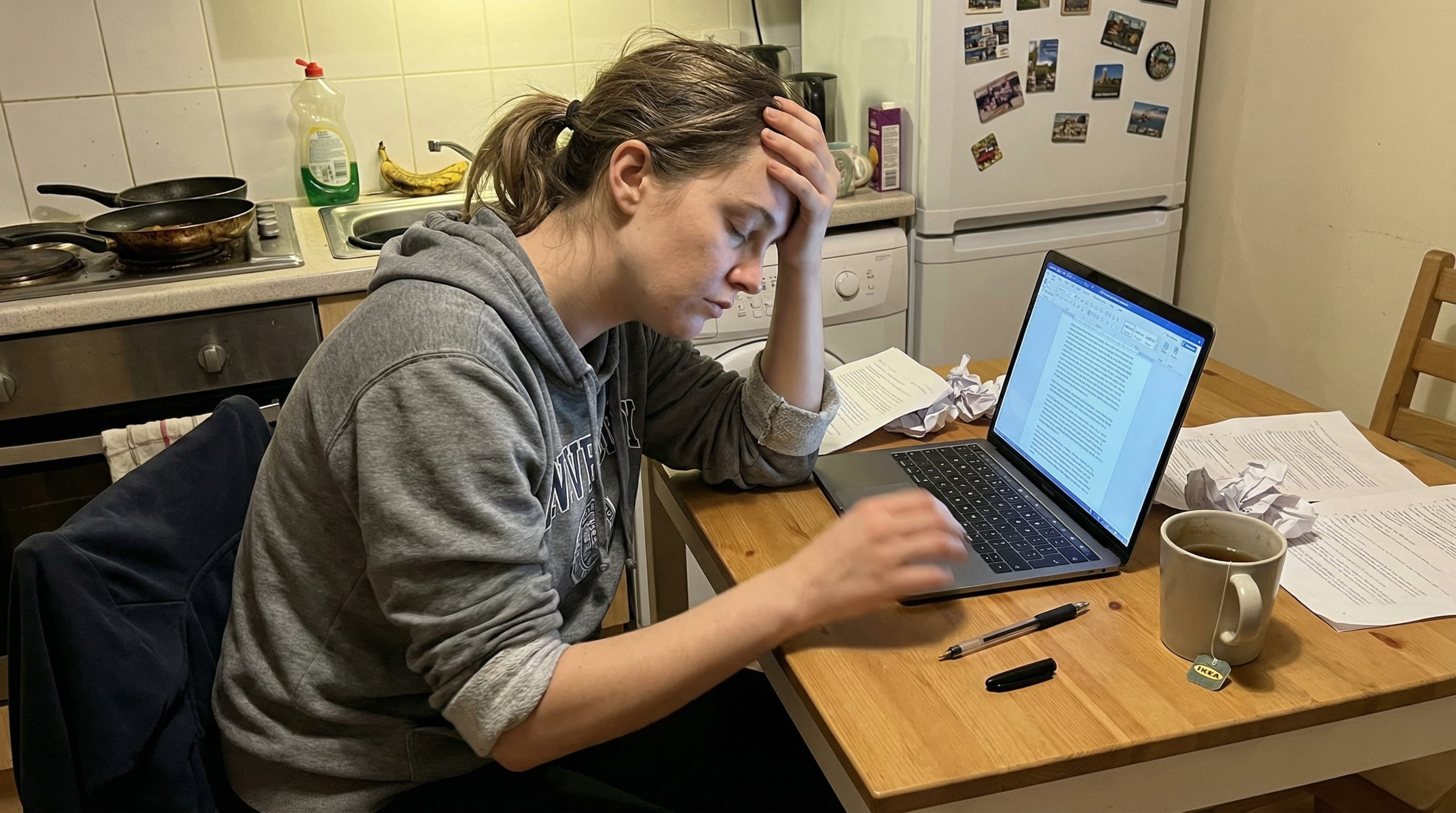
Emily is 30 now. She lives alone in a small apartment. Buddy went with Ryan. She still pays $310 a month on debt from a relationship that lasted nearly a decade.
“The worst part isn’t being alone,” she told me during our final conversation. “It’s knowing it didn’t have to end this way. We weren’t broken. We were just neglecting the maintenance. If someone had shown me a chart — a simple line going down, week by week — I would have done something about it. But by the time we noticed, we’d been in freefall for two years.”
This article is a paid partnership with PairGrow. Editorial content reflects the author’s independent research.
